Heating
Heat Pump vs. Furnace for Older Homes in Hillsborough, NJ
Choosing a heat pump or furnace for an older Hillsborough home? Compare comfort, electrical needs, ductwork, and safe fall checks before replacing your heat.
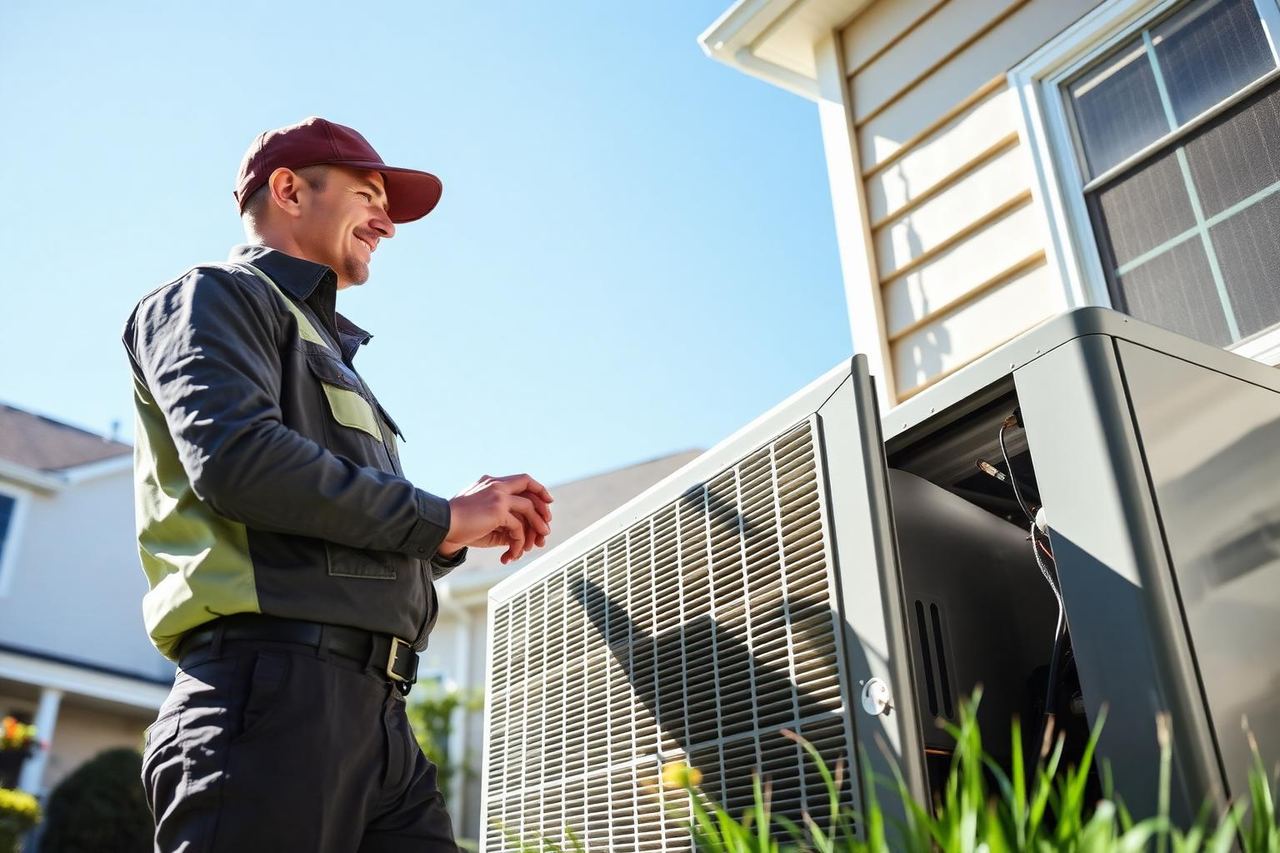
Fall is a good time to compare heating options for an older Hillsborough home, especially if your current system struggles to keep rooms comfortable. A heat pump or furnace can work well, but the better choice depends on your home’s heat loss, existing equipment, electrical capacity, and comfort goals.
Start With the House, Not the Equipment
Older homes can have uneven insulation, drafty windows, and additions that were never fully integrated into the heating system. Before choosing equipment, ask for a room-by-room heating load calculation that accounts for these conditions. Simply matching the old unit’s size can repeat existing problems; oversized equipment may cycle frequently and leave temperatures uneven. Air sealing and insulation improvements can reduce heating demand, so discuss planned upgrades before equipment is sized. Also identify how heat reaches your rooms. If your home uses radiators or baseboards supplied by a boiler, switching to a furnace is not a straightforward replacement. Ductless heat pumps may offer another route without installing whole-house ductwork.
Compare Winter Comfort, Cooling, and Operating Costs
A heat pump moves heat rather than creating it through combustion, and it can provide summer cooling too. Cold-climate models can heat in freezing weather, but capacity and efficiency vary by model and outdoor temperature. Ask how the proposed system will meet your home’s heating load on cold days and whether backup heat is needed. A furnace generally delivers hotter air at the registers, while a heat pump often runs longer with gentler airflow. Neither pattern alone indicates a problem. Operating costs depend on electricity and fuel rates, equipment efficiency, and backup use. A dual-fuel setup combines a heat pump with a furnace, using controls to switch between them under selected conditions.
Check Ductwork, Electrical Capacity, and Installation Needs
Existing ducts deserve inspection before either system is selected. Leaks, restricted returns, or poorly sized branches can undermine comfort regardless of the equipment’s efficiency rating. A ducted heat pump needs airflow matched to its design, so ducts that served an older furnace may need changes. Have the contractor verify electrical service and circuit requirements, particularly if electric resistance backup heat is proposed; a panel upgrade is not automatically necessary. Outdoor heat pump placement should account for drainage, defrost water, sound, and required clearances. For a fuel-burning furnace, the evaluation should include venting, combustion air, and any shared chimney arrangement. Request a written proposal covering these supporting changes, not just the equipment.
Make Safe Fall Checks and Know When to Call
Before heating season, check the thermostat settings, inspect the accessible air filter, and replace it according to the equipment instructions. Keep supply and return grilles clear, and remove loose leaves around an outdoor heat pump without opening panels or reaching inside. Test smoke and carbon monoxide alarms according to their instructions, especially if your home has fuel-burning appliances. Schedule professional service for repeated shutdowns, weak airflow, persistent unusual noises, or rooms that remain cold. If you smell gas, leave immediately without operating switches and contact the gas utility or emergency services from outside. If a carbon monoxide alarm sounds, leave and call 911. For help comparing replacement options, contact General Air Pro Heating & Cooling at (609) 248-6446.
Need HVAC service in Hillsborough, NJ?
Not sure what your system needs?
A professional inspection can separate a simple repair from a larger performance issue.