Heating
Heat Pump vs. Furnace for Older Homes in Montclair, NJ
Choosing between a heat pump and a furnace for an older home? Learn how insulation, ductwork, winter comfort, and fall planning shape the right heating choice.
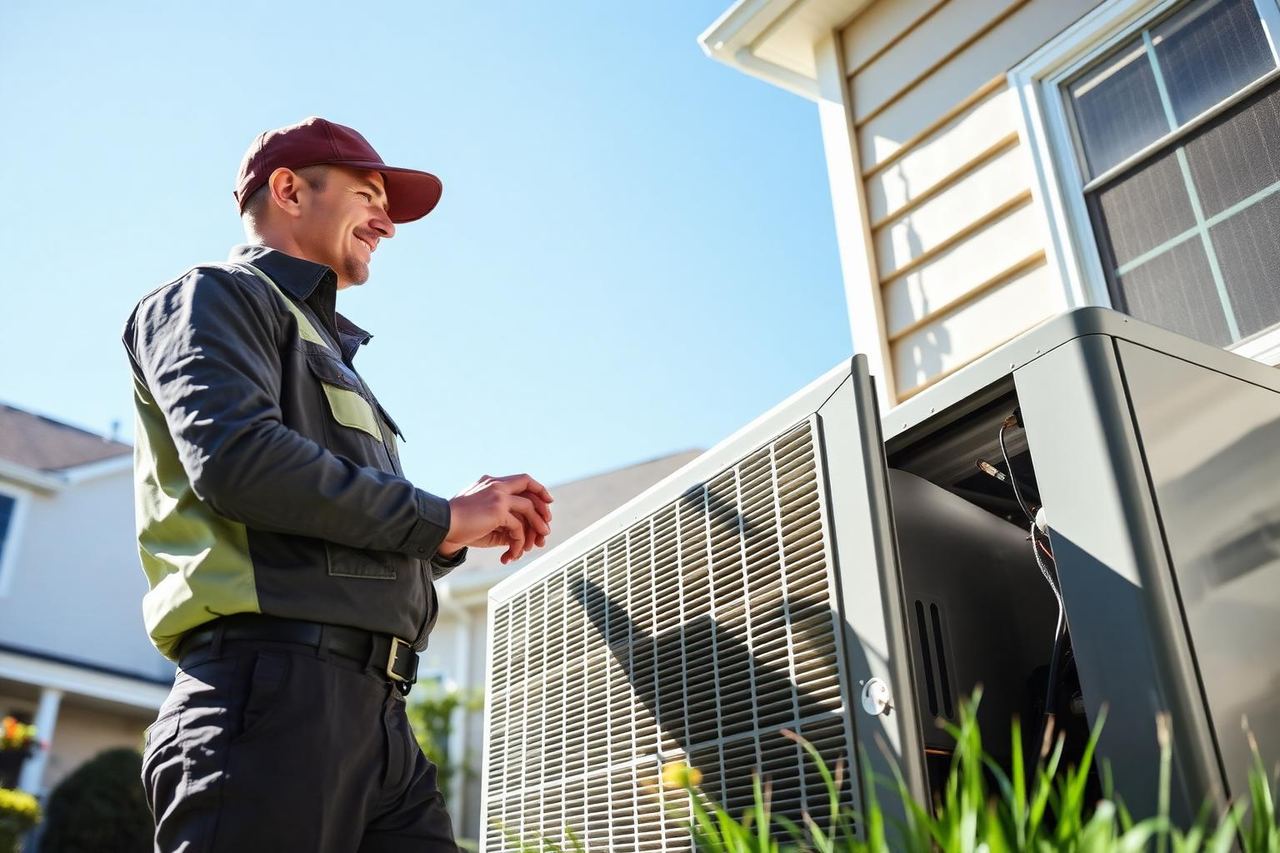
Fall is a good time to compare heating options for an older home in Montclair, NJ, before colder weather tests your current system. A heat pump or furnace can provide reliable comfort, but the better fit depends on your home’s heat loss, existing equipment, electrical capacity, and comfort goals.
Start With the House, Not the Equipment
Older homes can have a mix of original construction and later improvements, so age alone does not tell you which heating system will work best. Drafty rooms, uneven temperatures, and frequent cycling can reflect insulation gaps, duct problems, or equipment sizing issues. Before replacing anything, ask for a room-by-room heating load calculation based on your home’s actual conditions, rather than simply matching the old unit’s capacity. You can safely check accessible weatherstripping, note rooms that stay cold, and keep supply and return vents clear. Consider an energy assessment to identify worthwhile air-sealing and insulation improvements. If you have combustion equipment, coordinate major air-sealing work with a professional who can evaluate ventilation and combustion safety.
When a Heat Pump Makes Sense
A heat pump moves heat rather than creating it by burning fuel, and it can also cool your home in summer. Cold-climate models are designed to keep heating at low outdoor temperatures, but their output and efficiency still vary by model and weather. Ask your contractor to compare the proposed unit’s heating capacity at your local winter design temperature with your home’s calculated heat loss. A ducted system may work with existing ducts after needed repairs or modifications. Ductless units can serve homes without ducts, although room layout and closed doors affect heat distribution. Have the contractor evaluate electrical capacity and explain any required backup heat, its operating cost, and how the controls will use it.
When a Furnace or Dual-Fuel System Fits Better
A furnace may be a practical replacement when your home already has suitable ductwork and a fuel supply, particularly if you prefer warmer air from the registers. Its suitability still depends on correct sizing, safe venting, and the condition of the ducts. If your home uses radiators or hot-water baseboards, you likely have a boiler, not a furnace; switching to forced-air heating would require additional planning. A dual-fuel system pairs a heat pump with a furnace, switching between them according to controls set for capacity, efficiency, or operating cost. Ask for a comparison using your actual utility rates. Neither a heat pump nor a furnace is automatically cheaper to operate in every home.
Use Fall to Check Safety and Compare Proposals
Before heating season, inspect or replace the air filter according to the equipment instructions, clear leaves from around an outdoor heat pump, and test smoke and carbon monoxide alarms. Do not open electrical compartments, adjust gas components, or attempt vent repairs. Schedule a professional evaluation for persistent uneven heating, repeated shutdowns, unusual noises, or unexplained utility increases. If you smell gas, leave immediately without operating switches and contact your gas utility or emergency services from outside. For a replacement, compare proposals that spell out sizing, duct changes, electrical work, permits, backup heat, and warranties. General Air Pro Heating & Cooling serves Central and North New Jersey; call (609) 248-6446 to discuss which approach fits your older home.
Need HVAC service in Montclair, NJ?
Not sure what your system needs?
A professional inspection can separate a simple repair from a larger performance issue.