Heating
Heat Pump vs. Furnace for Older Homes in Paterson, NJ
Compare heat pumps and furnaces for older homes this fall, including comfort, ductwork, electrical needs, and safe checks before choosing a heating system.
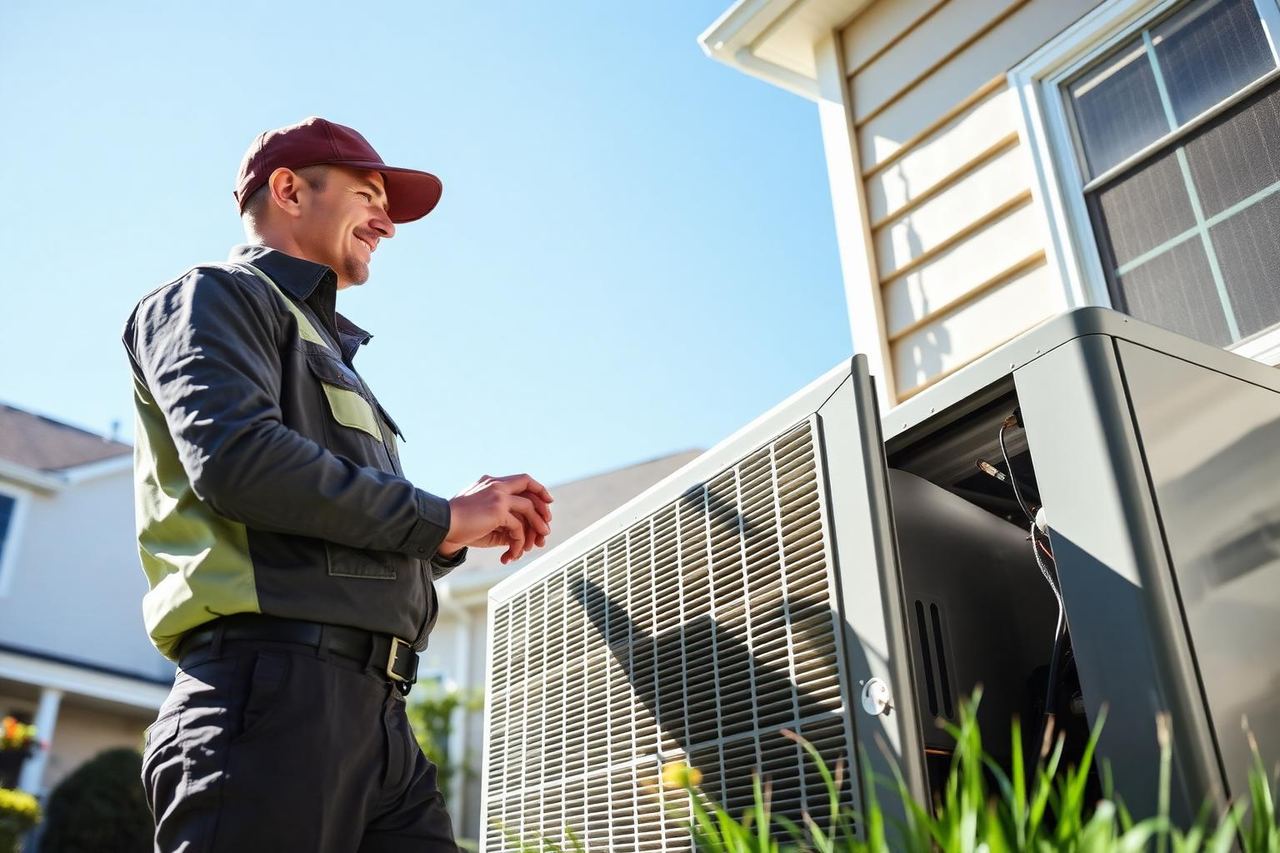
Choosing between a heat pump and a furnace for an older Paterson home starts with the house, not just the equipment. This fall, consider insulation, existing ducts or radiators, electrical capacity, and winter comfort before deciding which system fits best.
Start With Your Home’s Heating Setup
Before comparing equipment, identify how your home distributes heat. A furnace heats air and sends it through ducts; a boiler heats water or produces steam for radiators or baseboards. If you have radiators, switching to a furnace or ducted heat pump usually means adding ductwork. Ductless heat pumps can avoid that work, but indoor unit placement and heat delivery to closed rooms need careful planning. Drafts, thin insulation, and leaky ducts can make either option work harder. Ask for a room-by-room heating load calculation rather than choosing equipment based only on square footage or the old unit’s size. Addressing air leaks first may change the capacity your home needs.
Compare Winter Comfort, Not Just Efficiency Ratings
A heat pump moves heat instead of generating it by burning fuel, and it can provide cooling in summer. Cold-climate models can heat effectively in freezing weather, but their output and efficiency vary with outdoor temperature. Have a contractor compare the proposed model’s heating capacity at local winter design conditions with your home’s calculated heat loss. Some installations need supplemental heat or a furnace backup. A furnace typically delivers hotter air during a heating cycle, while heat pump air may feel milder and run longer without indicating a problem. Operating costs depend on utility rates, equipment efficiency, weather, and the building’s condition. Neither option is automatically cheaper for every older home.
Check Installation Requirements Before Choosing
Existing ducts are not automatically suitable for replacement equipment. A contractor should evaluate their size, leakage, insulation, and airflow requirements, along with whether upstairs rooms receive enough heat. For a heat pump, request an assessment of electrical service and circuit capacity, especially if electric resistance backup is proposed. Outdoor equipment also needs suitable clearance, drainage, and a location that accommodates defrost water and snow. A fuel-burning furnace requires compatible venting and combustion air; replacing an older unit may also affect a shared chimney serving a water heater. Ask for a written scope covering these items, permits, controls, and any needed repairs. Compare complete installations, not just equipment labels or efficiency ratings.
Make Safe Fall Checks and Know When to Call
Before heating season, check the filter if your system uses one, keep supply and return grilles unobstructed, and clear loose leaves from around an outdoor heat pump without opening its cabinet. Test smoke and carbon monoxide alarms according to their instructions. Note persistent cold rooms, unusual noises, frequent cycling, or unexplained energy increases for your technician. Do not adjust gas valves, bypass safety switches, or attempt electrical repairs. If you smell gas, leave immediately without operating switches and contact the gas utility or emergency services from outside. If a carbon monoxide alarm sounds, leave and call 911. For a fall evaluation of your heating options, contact General Air Pro Heating & Cooling at (609) 248-6446.
Need HVAC service in Paterson, NJ?
Not sure what your system needs?
A professional inspection can separate a simple repair from a larger performance issue.