Heating
Heat Pump vs. Furnace for Older Homes in Princeton, NJ
Compare heat pumps and furnaces for older homes this fall, including comfort, ductwork, electrical needs, and safe checks before choosing a heating system.
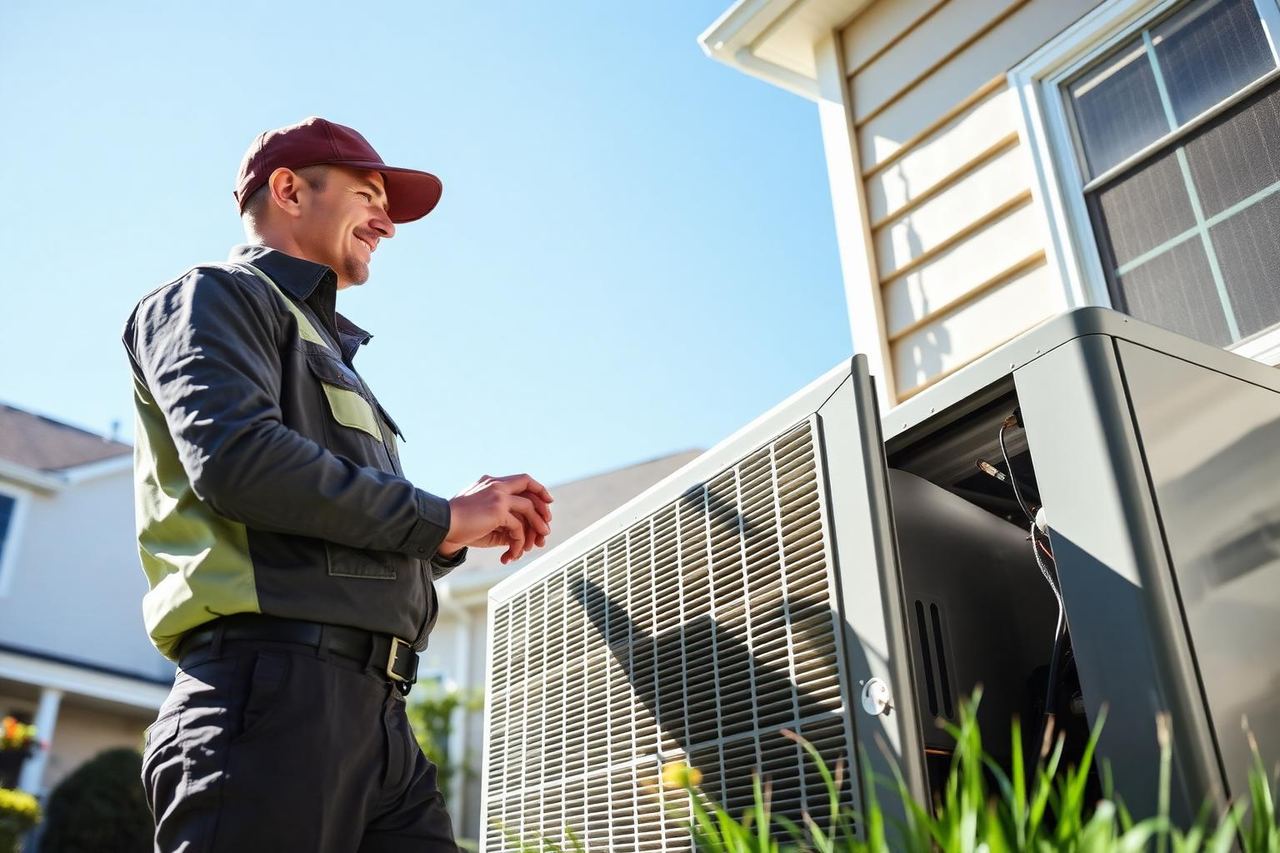
If your older Princeton home needs a heating upgrade this fall, both a heat pump and a furnace may be worth considering. The better fit depends on your home’s heat loss, existing equipment, electrical capacity, and comfort preferences—not simply its age.
Start With the House, Not the Equipment
Older homes can have drafty windows, uneven insulation, and additions that heat differently from the original rooms. Before choosing equipment, ask for a room-by-room heating load calculation that accounts for those conditions. Replacing a system based only on its existing size can repeat old comfort problems. Air sealing and insulation improvements may reduce the heating capacity your home needs, so discuss planned upgrades before sizing equipment. Existing ducts also need inspection for leakage, restrictions, and adequate airflow. If your home has a boiler with radiators rather than a furnace, switching to a ducted system could require substantial changes. Ductless heat pumps may offer another approach, but indoor unit placement and heat distribution need careful planning.
How Heat Pumps and Furnaces Feel Different
A heat pump moves heat rather than creating it by burning fuel, and it can also provide summer cooling. Properly selected cold-climate models can heat effectively in freezing weather, but their available capacity and efficiency vary with outdoor temperature. Ask how the proposed model will perform at your home’s winter design conditions and whether backup heat is needed. Heat pumps commonly deliver gentler warm air over longer cycles; that does not automatically mean something is wrong. A furnace typically supplies hotter air and may be a practical replacement where suitable ducts and fuel service already exist. A dual-fuel setup combines a heat pump with a furnace, using controls to switch heat sources under selected conditions.
Compare the Full Installation and Operating Picture
For an older Princeton home, installation requirements can matter as much as the equipment itself. A heat pump may need new wiring, an electrical panel evaluation, duct modifications, and a suitable outdoor location with proper drainage and clearance. A furnace replacement may require venting changes, combustion-air provisions, or corrections to fuel connections. High-efficiency equipment can also introduce condensate drainage requirements. Request written proposals that identify these items, along with permits, thermostat controls, and any backup heating. Operating costs depend on local utility rates, equipment performance, weather, and the house’s heating demand. Ask for estimates based on your actual bills and clearly stated assumptions rather than a blanket claim that one technology always costs less.
Safe Fall Checks Before You Decide
Before the heating season, check the thermostat’s heating setting and replace its batteries if applicable. Inspect an accessible air filter and replace it according to the equipment instructions; keep supply registers and return grilles clear. For an existing heat pump, remove loose leaves around the outdoor unit without opening panels or reaching inside. Note rooms that stay cold, unusual noises, frequent cycling, or changes in energy use so a technician can investigate. Test smoke and carbon monoxide alarms according to their instructions, especially if your home has fuel-burning appliances. Do not adjust gas valves, open electrical compartments, or attempt vent repairs. If you smell gas or a carbon monoxide alarm sounds, leave immediately and call emergency services from outside.
When a Professional Assessment Makes Sense
Schedule an assessment if your system struggles to maintain temperature, needs repeated repairs, or leaves some rooms uncomfortable despite basic filter and airflow checks. Burning electrical odors, smoke, or repeated breaker trips require prompt attention; stop using the equipment if safe and do not keep resetting a breaker. A useful replacement assessment should address heat loss, duct condition, electrical capacity, and any combustion or venting concerns. Ask the contractor to explain the proposed heat pump’s backup strategy or the furnace’s venting requirements in plain language. General Air Pro Heating & Cooling serves Central and North New Jersey. Call (609) 248-6446 to discuss your older home’s heating options before choosing a replacement.
Need HVAC service in Princeton, NJ?
Not sure what your system needs?
A professional inspection can separate a simple repair from a larger performance issue.