
Last Updated: October 23, 2026
Quick Summary
Licensed HVAC contractors in New Jersey must hold a state license issued through the Division of Consumer Affairs. Verify their license number, EPA Section 608 certification, and proof of insurance before hiring to ensure they meet legal requirements and protect your home.
- Ask for the contractor's state license number in writing before any site visit.
- Check the Division of Consumer Affairs online lookup to confirm active status and expiration date.
- Request EPA Section 608 certification separately, as state licenses do not cover refrigerant handling.
- Ask for a certificate of insurance showing general liability and workers' compensation coverage.
- If a contractor cannot provide license number, EPA certification, and insurance within 24 hours, do not hire them.
Table of Contents
- Why Hiring a Licensed HVAC Contractor Matters
- How to Verify a New Jersey HVAC Contractor's License
- Questions to Ask an HVAC Contractor Before Hiring
- HVAC Contractor Reviews and References
- Getting and Comparing HVAC Installation Estimates
- HVAC Installation Estimate Checklist
- What to Verify Before Signing a Contract
- Frequently Asked Questions
Why Hiring a Licensed HVAC Contractor Matters
Finding the right licensed HVAC contractors can mean the difference between a quick repair and weeks of discomfort, or worse, a system that fails again within months. When you hire a licensed HVAC contractor, you're getting someone who has met state requirements, carries proper insurance, and understands local building codes. That matters more than most homeowners realize.
An unlicensed contractor might quote you less upfront, but you're taking on serious risk. If something goes wrong, you have no recourse. Your homeowner's insurance may not cover damage caused by unlicensed work. You could face code violations that make it harder to sell your home later. A licensed professional protects you from those problems.
At General Air Pro, we're committed to transparency about our licensing and insurance; it's the foundation of trustworthy service.
How to Verify a New Jersey HVAC Contractor's License
The most important step happens before you sign anything: verify that your contractor is actually licensed. New Jersey requires HVAC contractors to hold a license issued through the Division of Consumer Affairs in the Department of Law and Public Safety. This isn't optional, it's the law, and the state publishes the tools you need to check it yourself.
Here's how to check, step by step:
- Get the license number in writing. Ask the contractor for their state license number before any site visit. A legitimate contractor will text or email it without hesitation.
- Look it up in the state's license verification tool. The Division of Consumer Affairs maintains an online license lookup where you can search by name, business name, or license number. Confirm three things: the license status is active, the expiration date is in the future, and the name on the license matches the company that will be doing the work, not a subcontractor or a different entity.
- Confirm the license type covers HVAC work. The state issues different credentials for different trades. Make sure the license on file is the one that authorizes heating, ventilating, and air conditioning work, not a general home improvement registration alone. If the license type doesn't match the work, ask why.
- Check for disciplinary actions. The same lookup typically shows whether complaints or disciplinary actions have been filed. A single old complaint isn't disqualifying, but a pattern of them is a reason to keep looking.
- Verify EPA Section 608 certification separately. The state license does not cover refrigerant handling. Federal rules require technicians who service or dispose of equipment containing refrigerants to hold EPA Section 608 certification, and the universal level is the one that allows work on all equipment types (the EPA). Ask to see the certificate or the technician's wallet card.
- Request proof of insurance. Ask for a certificate of insurance showing general liability coverage and workers' compensation. Call the insurer's number on the certificate to confirm the policy is active, because certificates can be outdated or altered.
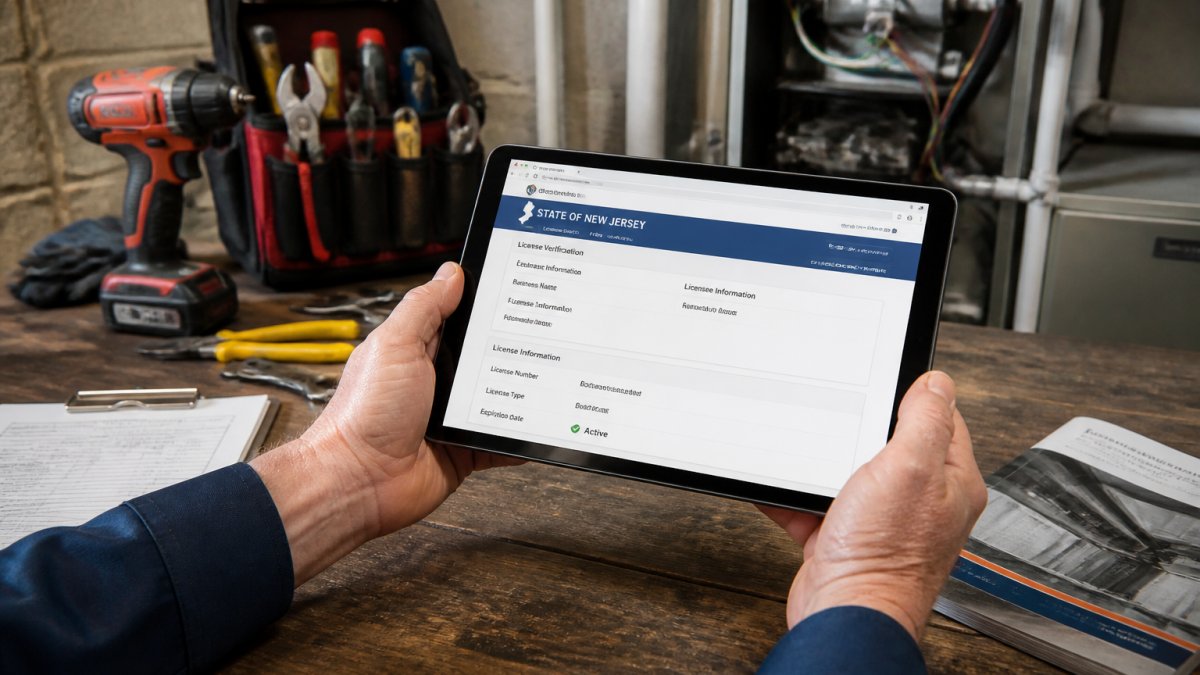
Write down the license number, the expiration date, and the date you checked. If the license has expired, the contractor cannot legally perform HVAC work in the state, and no price discount is worth that risk. If the name on the license doesn't match the company name on the estimate, ask for the relationship in writing before you go further.
A final note on the paperwork trail: keep a screenshot or PDF of the license lookup result and the certificate of insurance with your contract. If a dispute ever arises, that record is the difference between a complaint the state can act on and one it can't.
Questions to Ask an HVAC Contractor Before Hiring
Before you commit to any contractor, you need answers to specific questions. These aren't just polite conversation starters, they tell you whether this contractor is the right fit for your home.
Experience With Your Specific System Type
Not all HVAC systems are the same. A contractor experienced with heat pumps might not be the best choice for a furnace. A technician who specializes in newer systems might struggle with older equipment.
Ask: "How many years have you worked on systems like mine?" If your unit is older, ask specifically about experience with that age and model. If you have a high-efficiency system, confirm they've installed or serviced similar units recently. A good contractor will give you specific examples, not vague reassurances.
Availability and Response Times
HVAC emergencies don't wait for business hours. If your furnace fails in January, you need someone who can help quickly. Ask about their emergency service availability. Can they respond same-day? Do they charge extra for nights and weekends? What's their typical response time?
General Air Pro offers same-day service because we know comfort can't wait.
HVAC Contractor Reviews and References
Online reviews tell you how a contractor actually treats customers. Check Google, the Better Business Bureau, and local review sites. Look for patterns in what customers say, not just the star rating.
Read the negative reviews carefully. How did the contractor respond? Did they address the complaint or dismiss it? A contractor who takes criticism seriously and tries to fix problems is more trustworthy than one with only five-star reviews and no engagement.
Ask the contractor for references from recent jobs. Call at least two. Ask these questions:
- Did the work get completed on time?
- Was the final bill what you expected, or were there surprises?
- Would you hire this contractor again?
References from real customers are worth more than any marketing claim. If a contractor hesitates to provide references, that's a sign to keep looking.
Getting and Comparing HVAC Installation Estimates
Never hire based on price alone. You need written estimates from at least two contractors, and ideally three, so you can compare what's actually included rather than just the bottom line. The trick is to normalize the bids before you compare them.
A proper estimate should detail:
- The specific equipment being installed (brand, model, efficiency rating)
- Labor costs broken down by task
- Permits and inspections
- Disposal of old equipment
- Warranty terms
- Timeline for completion
How to Compare Bids Line by Line
Put the estimates side by side and compare them category by category, not total to total. Start with the equipment: confirm the model numbers are comparable in efficiency and capacity. A bid that specifies a lower-efficiency unit isn't cheaper, it's a different product, and you'll pay for it every month on your utility bill. Ask each contractor to state the SEER2 rating for cooling equipment and the AFUE rating for furnaces so you can compare like with like.
Next, compare labor. One bid may itemize removal, installation, ductwork modification, and startup separately; another may bundle everything into one number. Bundled labor isn't automatically worse, but it makes it harder to see what changes if the scope shifts. Ask each contractor to confirm in writing what happens if the job requires unexpected ductwork or electrical work.
Then compare the extras that quietly drive cost: permit fees, inspection scheduling, old equipment disposal, thermostat and filter replacement, and cleanup. A bid that omits disposal or permit fees isn't cheaper, it's incomplete, and those costs will reappear later.
Warranty and Payment Terms to Scrutinize
Warranty language is where estimates differ most and where homeowners get surprised. Ask each contractor to separate three things in writing: the manufacturer's equipment warranty, the contractor's labor warranty, and any extended warranty being sold. Manufacturer warranties typically cover parts but not labor, and their length varies by equipment tier, so confirm the exact term rather than accepting "full warranty" as an answer. Labor warranties are set by the contractor, so compare their length and, more importantly, their conditions: does the labor warranty require annual maintenance performed by that same contractor? If so, factor the cost of those visits into your comparison.
Payment terms deserve the same scrutiny. A common and reasonable structure ties payments to milestones: a deposit at signing, a progress payment when equipment is delivered or rough-in is complete, and final payment after inspection and your walkthrough. Be cautious with any contract that asks for the full amount upfront or in cash, and confirm whether the deposit is refundable and under what conditions. Get the payment schedule in the contract, not just the estimate.
Permits, Inspections, and Code Compliance
HVAC replacement work commonly requires a permit and an inspection, and the rules vary by municipality. Ask each licensed HVAC contractors directly: will you pull the permit, and is the permit fee included in this estimate? A contractor who suggests skipping the permit to save time or money is creating a problem for you, because unpermitted work can surface during a home sale, an insurance claim, or a future inspection, and resolving it can cost far more than the permit itself.
Confirm who schedules the inspection and who is responsible for correcting any failed items. The permit and inspection record should be in your name or attached to your property address, and you should receive documentation when the work passes. If a contractor can't explain the permit process for your town, that's a sign they don't work there often.
Ask each contractor to explain why their price is what it is. If one estimate is significantly lower than the others, ask what was excluded. Sometimes there's a legitimate reason, such as simpler access or a promotional equipment price. Sometimes they're cutting corners or underestimating the scope of work. The explanation itself tells you how the contractor thinks.
HVAC Installation Estimate Checklist
Use this checklist when you review estimates:
- Contractor name, license number, and contact information clearly listed
- Specific equipment brand and model numbers included
- Efficiency ratings (SEER, AFUE) specified for the equipment
- Labor costs itemized by task
- Permit and inspection fees listed separately
- Old equipment disposal or removal cost included
- Warranty details in writing (parts coverage, labor coverage, duration)
- Timeline for work start and completion
- Payment schedule and terms
- Contractor's insurance information (liability and workers' comp)
If an estimate is missing any of these items, ask for clarification before signing. A vague estimate is a sign that you might face surprises later.
What to Verify Before Signing a Contract
Before you sign anything, take time to review the contract carefully. This is your protection if something goes wrong.
The contract should include:
- Scope of work: exactly what the contractor will do
- Equipment specifications: brand, model, efficiency ratings
- Timeline: start and end dates
- Payment terms: total cost, payment schedule, what triggers each payment
- Warranty: parts coverage, labor coverage, duration
- Permits and inspections: who's responsible for obtaining them
- Cleanup: what happens to old equipment and job site debris
- Change orders: how additional work will be handled if it's needed
Ask about insurance. The contractor should carry general liability insurance and workers' compensation. Request proof of both before work begins. If someone gets injured on your property, you want to know the contractor's insurance covers it, not your homeowner's policy.
Understand the warranty. Some contractors offer one-year warranties on labor. Others offer five years or more. Longer warranties aren't always better if they come with conditions that are hard to meet. Read the fine print.
Don't sign a contract that has blank spaces or vague language. Every detail should be filled in and clear. If the contractor asks you to sign something you don't understand, ask questions until you do. A good contractor will take the time to explain everything.
General Air Pro provides upfront, honest pricing and clear contracts because we believe you should know exactly what you're getting before work begins. No surprises. No hidden fees. Just straightforward service and transparent terms.
Choosing a licensed HVAC contractor takes time, but it's time well spent. Verify credentials, ask the right questions, get multiple estimates, and review contracts carefully. These steps protect your home and your wallet. When you find the right contractor, someone who's licensed, insured, responsive, and transparent, you've found someone worth working with for years to come.
At General Air Pro, we're committed to earning your trust through our 15+ years of industry experience, same-day service availability, and 100% satisfaction guarantee. Get a free quote and see the difference professional, licensed service makes for your home comfort.
Frequently Asked Questions
How do I verify that an HVAC contractor is licensed in New Jersey?
Contact the New Jersey Division of Consumer Affairs to confirm licensing. You can also ask the contractor directly for their license number and verify it through the state's online contractor database. Licensed contractors should provide proof without hesitation. Request their EPA 608 Universal certification as well, which is required for handling refrigerants. Cross-reference their business name and license number against official state records before hiring.
What should I check before hiring an HVAC contractor?
Verify their license status, insurance coverage, and references from recent customers. Ask about their experience with your specific system type and request a written estimate that itemizes all costs. Check online reviews and ratings on Google and industry sites. Confirm they can provide same-day or next-day service if you have an emergency. Ask whether they offer a warranty on parts and labor, and get everything in writing before work begins.
What questions should I ask an HVAC contractor before hiring?
Ask how long they've been in business, whether they're licensed and insured, and if they have experience with your system's age and model. Request their response time for emergency calls and whether they charge extra for nights or weekends. Ask what warranties they provide and whether their estimate includes permits and inspections. Find out if they offer financing options and what their payment terms are. Request references from customers with similar systems.
How can I compare HVAC repair and installation estimates?
Request written estimates from at least two licensed contractors that detail labor costs, equipment prices, and any additional fees. Make sure each estimate specifies the same equipment type and capacity so you're comparing identical systems. Check whether permits, inspections, and removal of old equipment are included. Ask about warranty coverage and payment schedules. Don't automatically choose the lowest price; consider the contractor's experience, timeline, and reputation alongside cost.
