Heating
Switching From AC to Heat in Lyndhurst, NJ
Switch from AC to heat safely this fall in Lyndhurst, NJ, with simple thermostat checks, filter tips, warning signs, and advice on when to call an HVAC pro.
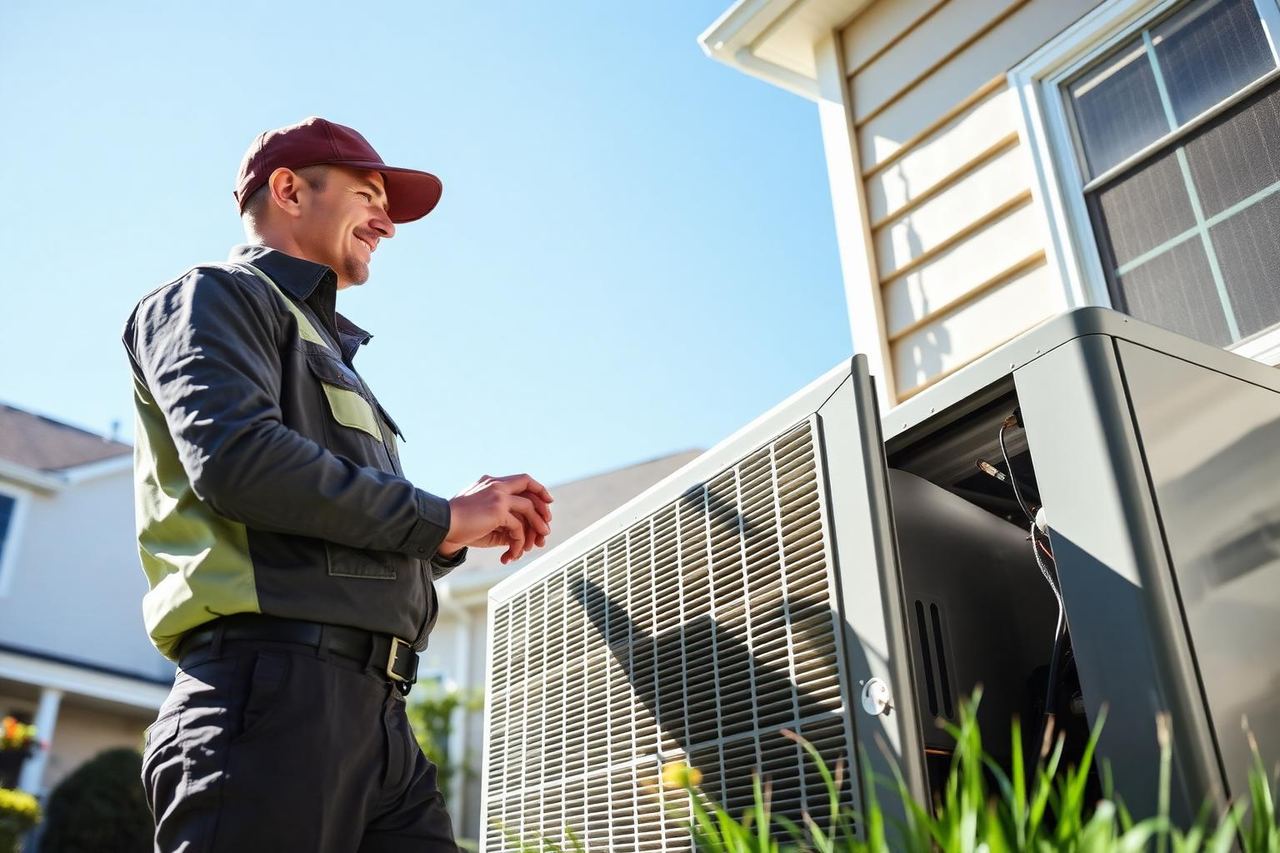
Cooler fall weather in Lyndhurst, NJ, makes this a good time to prepare your heating system before you need it every day. A few simple checks can help you switch from cooling to heating safely and spot problems before colder weather arrives.
Start With the Thermostat
Before changing modes, check that your thermostat has power and replace its batteries if needed. If the AC is running, let the cooling cycle finish or turn the system off before selecting heat, following any waiting period in your equipment instructions. Avoid repeatedly toggling between heating and cooling; some systems have a built-in delay to protect the compressor. Select Heat, set the fan to Auto for normal operation, and choose a temperature a few degrees above the current room temperature. Review your schedule so an old cooling program does not interfere with your comfort settings. For a heat pump, use regular Heat rather than Emergency Heat unless a technician or your equipment instructions direct otherwise.
Check Filters, Vents, and Equipment Clearance
Turn the system off before checking an accessible air filter. Replace a dirty disposable filter with the correct size and manufacturer-recommended type, making sure its airflow arrow points in the proper direction. If the filter is washable, follow its cleaning and drying instructions. Keep supply registers and return grilles clear of furniture, rugs, and curtains; closing multiple vents can restrict airflow rather than save energy. If you have radiators or baseboard heat, keep furnishings and curtains clear according to the equipment instructions. Remove stored items from around heating equipment, especially flammable materials. From ground level, look for obvious debris blocking accessible outdoor intake or exhaust openings. Leave panels, wiring, burner components, and vent-pipe repairs to a professional.
Run a Short Heating Test Before Cold Weather
Choose a mild day when you can stay home and observe the first heating cycle. Listen for unusual banging, grinding, or repeated attempts to start, and check whether the house begins warming. Forced-air systems may take a few minutes to deliver warm air, while boilers and radiators often warm more gradually. Heat-pump air can feel less hot than furnace air without indicating a problem. A faint dusty smell can occur after months without heating, but it should fade quickly. If a burning odor persists, turn the system off and arrange service. Smoke, sparks, or a strong electrical smell warrant immediate shutdown if safe; leave and call emergency services if there is a fire or immediate danger.
Know the Safety Warning Signs
Test smoke and carbon monoxide alarms according to their manufacturers’ instructions, and check their replacement dates. Carbon monoxide has no smell, so a normal-smelling home does not confirm that fuel-burning equipment is safe. If a carbon monoxide alarm sounds, or anyone develops symptoms such as headache, dizziness, or nausea that could indicate exposure, get everyone outside and call 911. If you smell gas, leave immediately without operating switches, thermostats, phones, or anything that could create a spark inside. Call your gas utility’s emergency number or 911 from outside. Never bypass a safety control, relight equipment without following its instructions, or repeatedly reset a system that shuts itself down.
Schedule Service When Basic Checks Do Not Help
If the heat does not start, confirm the thermostat mode, temperature setting, and batteries first. Check the filter and make sure accessible vents are open and unobstructed. If those steps do not solve the problem, avoid opening equipment cabinets or troubleshooting electrical and fuel components yourself. Repeated short cycles, uneven heating, unusual noises, or a system that cannot reach the set temperature deserve professional attention. Fall maintenance can include checks of controls, airflow, and safety components appropriate to your equipment, including combustion and venting checks for fuel-burning systems. For help preparing your heating system in Lyndhurst, contact General Air Pro Heating & Cooling at (609) 248-6446. The company serves homeowners across Central and North New Jersey.
Need HVAC service in Lyndhurst, NJ?
Not sure what your system needs?
A professional inspection can separate a simple repair from a larger performance issue.