Heating
Switching From AC to Heat This Fall in Hillside, NJ
Switch from AC to heat safely this fall with thermostat tips, filter checks, warning signs, and advice on when to call an HVAC professional for seasonal service.
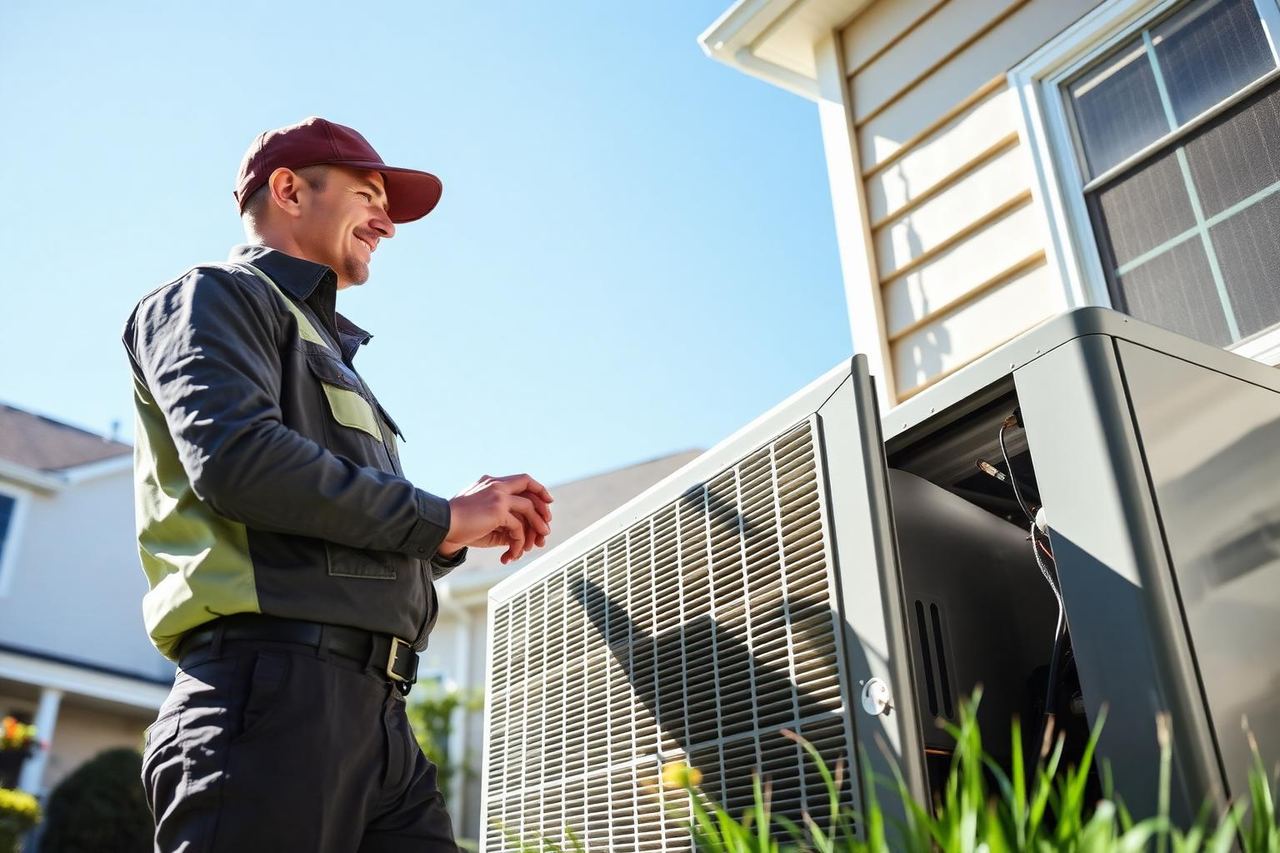
As fall brings cooler mornings to Hillside, NJ, a few simple checks can make the switch from air conditioning to heat smoother. Test your heating system before you depend on it, and know which startup signs are normal and which need professional attention.
Start With the Thermostat and a Short Heating Test
Choose a day when you can stay home to observe the system. If the AC is running, let it finish, switch the thermostat to Off, and follow any waiting period listed in your equipment instructions before selecting Heat. Set the temperature a few degrees above the current room temperature and leave the fan on Auto for the test. Raising the setting much higher will not heat your home faster. Give the equipment time to complete its normal startup sequence; some systems have a built-in delay. Check that warm air reaches the rooms, or that radiators begin warming if you have a boiler. Heat pump air may feel less hot than furnace air, which alone does not indicate a problem.
Check Filters, Airflow, and the Outdoor Unit
For a forced-air system, turn the equipment off before checking the filter. Replace a disposable filter if it is dirty or due for replacement, using the size and type recommended for your equipment. Follow the airflow arrow on the filter frame. Keep supply vents and return grilles open and clear of rugs, furniture, and curtains. If you have radiators or baseboard heat, keep their surrounding spaces clear instead. Outdoors, remove loose leaves and debris around the unit without opening panels or reaching inside. A heat pump uses its outdoor unit during winter, so never cover it while it is operating. For an AC-only outdoor unit, follow the manufacturer's storage guidance rather than wrapping it in an airtight tarp that can trap moisture.
Know Which Startup Smells and Sounds Need Action
A faint dusty smell can occur briefly when heat first starts after months of disuse. It should fade, not intensify or keep returning. Turn the system off and arrange service for persistent burning odors, unusual banging, repeated shutdowns, or a blower that runs without producing heat after the normal startup period. Visible smoke or fire calls for evacuation and emergency help. If you smell gas, leave immediately without operating switches, using a phone indoors, or trying to shut down the equipment. Call your gas utility's emergency line or 911 from outside, away from the building. If a carbon monoxide alarm sounds, get everyone outside and call 911. Do not dismiss an alarm because you cannot smell anything; carbon monoxide has no odor.
Finish With Safety Checks and Seasonal Service
Test smoke and carbon monoxide alarms according to their instructions, and check their replacement dates. Keep storage, paint, and other combustible materials away from heating equipment, following the manufacturer's clearance requirements. From ground level, look for obvious obstructions at accessible outdoor exhaust and combustion-air openings, but leave disassembly and internal cleaning to a technician. Do not adjust gas valves, open burner compartments, or repeatedly reset a system that will not stay on. A professional heating visit can check operation and system-specific safety components before colder weather arrives. If your test reveals uneven heating, recurring odors, or unreliable operation, call General Air Pro Heating & Cooling at (609) 248-6446. Homeowners in Hillside can also arrange seasonal maintenance to address concerns before relying on heat every day.
Need HVAC service in Hillside, NJ?
Not sure what your system needs?
A professional inspection can separate a simple repair from a larger performance issue.