
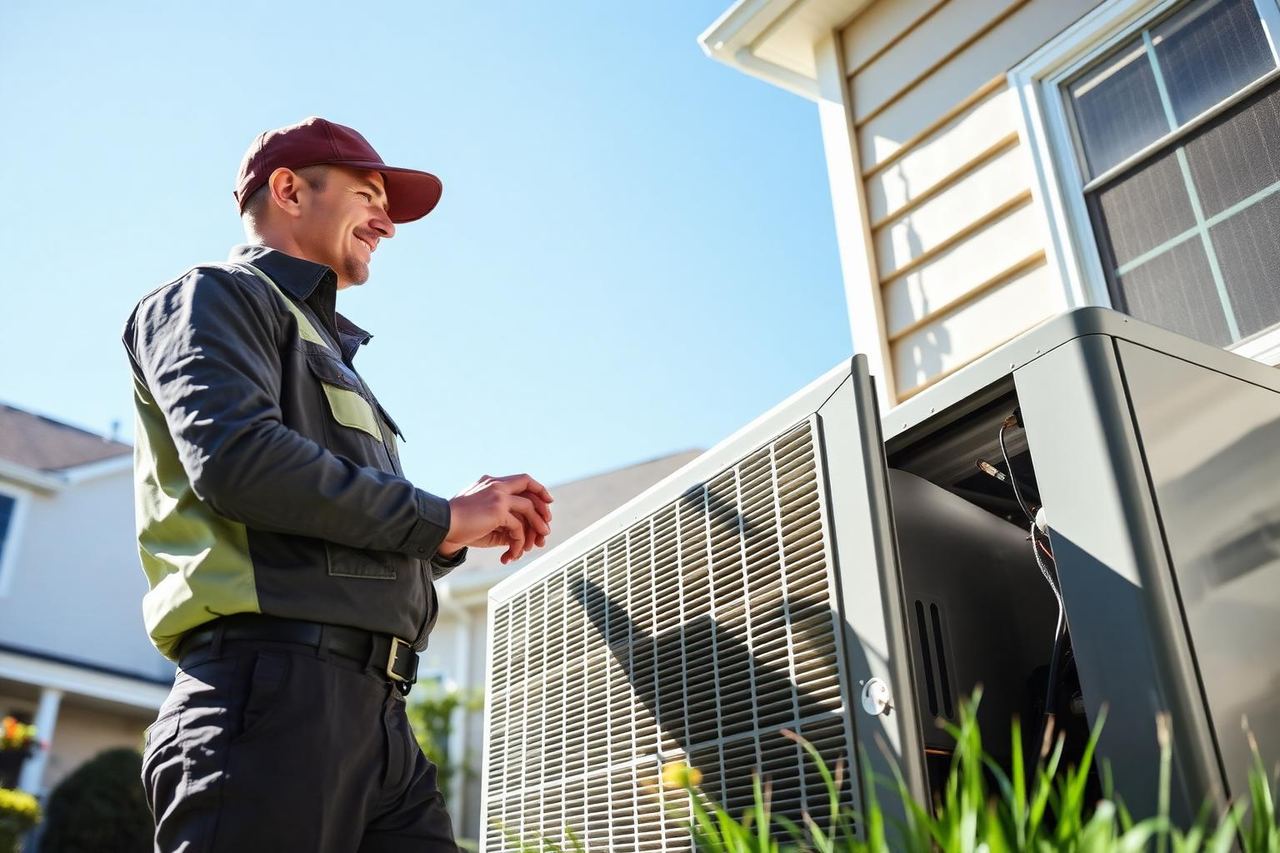
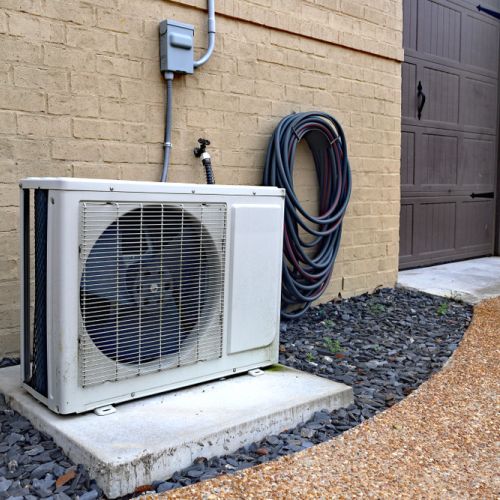
When to consider heat-pump replacement in Edison
Heat-pump replacement begins with a diagnosis of the outdoor unit, indoor air handler and controls. Weak heating, long defrost cycles or warm air in cooling mode can have repairable causes; ask what failed and why a complete replacement is being considered.
Share the equipment labels, maintenance history and whether the system uses electric strips or a furnace for backup heat. Refrigerant and electrical work belong to trained professionals; do not chip ice from the coil or bypass controls to keep the unit running.
- Repeated heating or cooling faults, or a major compressor or reversing-valve repair recommendation.
- A heat pump that struggles to keep rooms comfortable in cold weather or relies heavily on backup heat.
- Ice that does not clear, unusual noise or rising electric use that warrants diagnosis before replacement.
Replacement planning for your Edison property
For an Edison property in Middlesex County, begin with the actual address rather than a nearby postal name. Metuchen and Piscataway are separate municipalities; the location on your service documents matters when checking permit and inspection requirements.
If a finished basement, upstairs room or addition has different comfort needs, describe its use and show any available plans. Ask the assessment to account for those spaces, their insulation and the available distribution paths rather than simply copying the existing equipment rating.
Sizing and the connected system
A heat pump must be sized for both the winter heating load and the summer cooling load. Insulation, windows, air leakage and room layout affect both; matching the old nameplate is a reference, not a calculation.
Ask how the proposed outdoor unit, indoor air handler or coil, backup heat and thermostat are matched, and how the equipment performs at New Jersey winter temperatures. Existing ducts and return paths must also suit the airflow the system needs.
The replacement process, step by step
Describe heating and cooling performance
Explain which rooms are uncomfortable, how often backup heat runs and any recurring faults. Share the repair history so the assessment starts with evidence rather than an assumed diagnosis.
Compare repair and replacement
Ask the findings to separate a repairable fault from a replacement recommendation. Compare the repair scope with the proposed matched system, its efficiency documentation and the work included.
Agree on a sized, matched proposal
Review heating and cooling capacity, the indoor and outdoor pairing, backup heat, electrical requirements, line set, condensate drainage and controls. Confirm permit responsibilities and equipment availability.
Plan the outdoor and indoor locations
Discuss manufacturer clearances, snow and drainage around the outdoor unit and access to the indoor equipment. Ask which existing connections will be reused and which will be changed.
Review commissioning in both modes
Ask about refrigerant checks, airflow, defrost operation, backup heat staging and thermostat setup. Keep the matched-system documentation, model numbers, filter instructions and written warranty terms.
Compare the full installation quote
Compare complete matched-system proposals, not only the outdoor unit. Backup heat, electrical work, line-set changes, controls and duct connections can make similar-looking quotes cover different work.
Ask which efficiency ratings belong to the proposed combination and whether documentation is available for a utility application. A rated efficiency does not establish a particular bill change for your home; that depends on the building and how the system is used.
New Jersey rebates and financing
New Jersey's investor-owned utilities offer energy-efficiency programs directly to their customers. Start with the electric or gas provider on your bill, then check current requirements for your proposed equipment and installation. Availability, eligibility and application deadlines can change; no rebate amount or approval is promised.
Before ordering, check required efficiency ratings, equipment matching documents, contractor conditions and application timing. Keep the written quote, model numbers and final installation documents. Do not deduct an assumed incentive from the project cost until the relevant program confirms it applies.
New Jersey Clean Energy: utility-run homeowner programs
Our advertised financing offer is for qualifying residential full A/C and air-handler purchases only, on approved credit. Boilers, mini splits, repairs, tune-ups and partial replacements are excluded; the offer is not a promise of eligibility for a heating-only project. Read the published terms and ask about your actual equipment and scope.
Review financing eligibility and termsWarranty documents and care after installation
Keep the outdoor unit clear of snow, leaves and debris, and use the specified filter. Normal defrost cycles can produce steam and short pauses; report ice that does not clear or repeated faults rather than resetting the system indefinitely.
Record model and serial numbers for both sides of the matched system. Verify registration requirements and the written parts and labor coverage; do not assume every model or project has identical coverage.