Heating
Fall Furnace Tune-Up Before the Cold Snap in Belleville, NJ
Get your furnace ready before the first cold snap with safe fall checks, warning signs to watch for, and guidance on when to schedule professional maintenance.
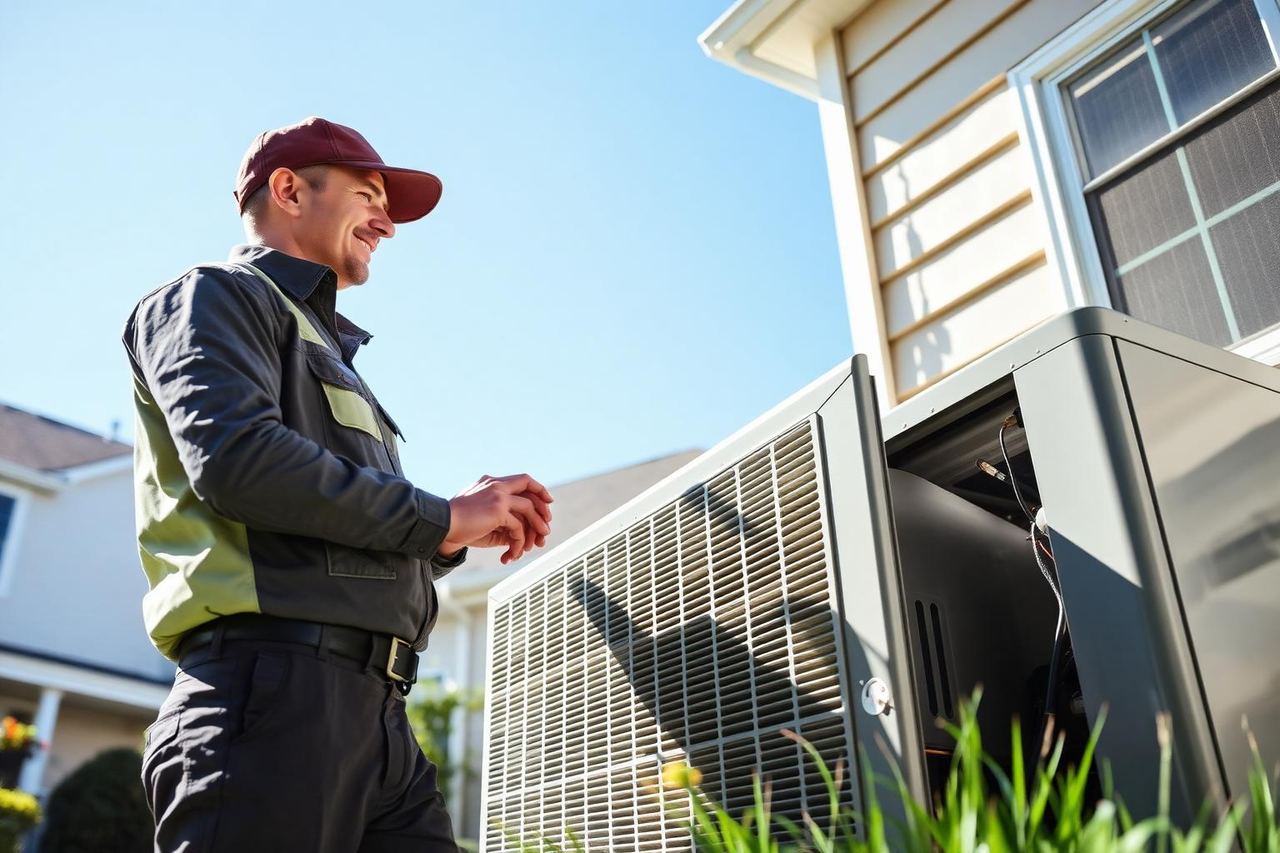
A fall furnace tune-up helps you get ready for colder weather before you depend on your heat every day. For Belleville homeowners, a little preparation now can uncover operating problems and give you time to address them before the first cold snap.
Why Schedule a Tune-Up Before Cold Weather?
A furnace can sit unused for months and still appear ready to work when you switch the thermostat to heat. But a dirty filter, ignition problem, or worn component may only become noticeable once the system starts running regularly. Scheduling maintenance in fall gives a technician an opportunity to assess operation, check safety controls, and identify concerns before colder weather makes reliable heat essential. A tune-up cannot guarantee a breakdown-free winter, but it can help catch developing issues. If you noticed unusual noises, uneven heating, or repeated shutdowns last season, mention those symptoms when you schedule rather than waiting to see whether they return.
Safe Checks You Can Do at Home
Start with the thermostat: select heat, check its batteries if applicable, and briefly raise the setting above room temperature to confirm the furnace responds. Before inspecting the filter, turn the system off and follow the manufacturer's access instructions. Replace a dirty disposable filter with the specified size and type, matching the airflow arrow to the indicated airflow direction. Keep supply registers and return grilles unobstructed, and clear stored items away from the furnace. From ground level, look for obvious leaves or debris around accessible outdoor intake and exhaust openings without dismantling anything. Test smoke and carbon monoxide alarms according to their instructions. Leave burners, wiring, and internal adjustments to a professional.
What a Professional Furnace Tune-Up Should Address
The work should match your furnace's fuel type, design, and manufacturer recommendations. For a fuel-burning furnace, ask whether the visit includes inspecting the burners and ignition system, evaluating venting, checking safety controls, and assessing combustion as appropriate. The technician should also inspect accessible heat exchanger surfaces, electrical connections, and blower components. High-efficiency furnaces may need attention to condensate drains and related parts. Electric furnaces require a different set of heating-element and electrical checks. Ask what is included when booking, since maintenance scopes vary. Request an explanation of any findings and recommended repairs; a routine tune-up does not automatically include replacement parts or resolve every heating problem.
Warning Signs That Should Not Wait
Call a professional if the furnace repeatedly starts and stops, struggles to heat, makes new banging or scraping noises, or produces a persistent burning odor. A faint dusty smell at first startup can occur, but smoke or a strong electrical odor warrants shutting the system off if safe. If a carbon monoxide alarm sounds, move everyone outside immediately and call 911 from outdoors. If you smell gas, leave without operating switches or phones inside, then call your gas utility's emergency line or 911 from a safe location. For fall furnace maintenance in Belleville, contact General Air Pro Heating & Cooling at (609) 248-6446. Describe any symptoms when scheduling.
Need HVAC service in Belleville, NJ?
Not sure what your system needs?
A professional inspection can separate a simple repair from a larger performance issue.