Heating
Heat Pump vs. Furnace for Older Homes in West Windsor, NJ
Compare heat pumps and furnaces for older homes this fall. Learn how insulation, ducts, comfort, and safety checks can guide your heating upgrade decisions.
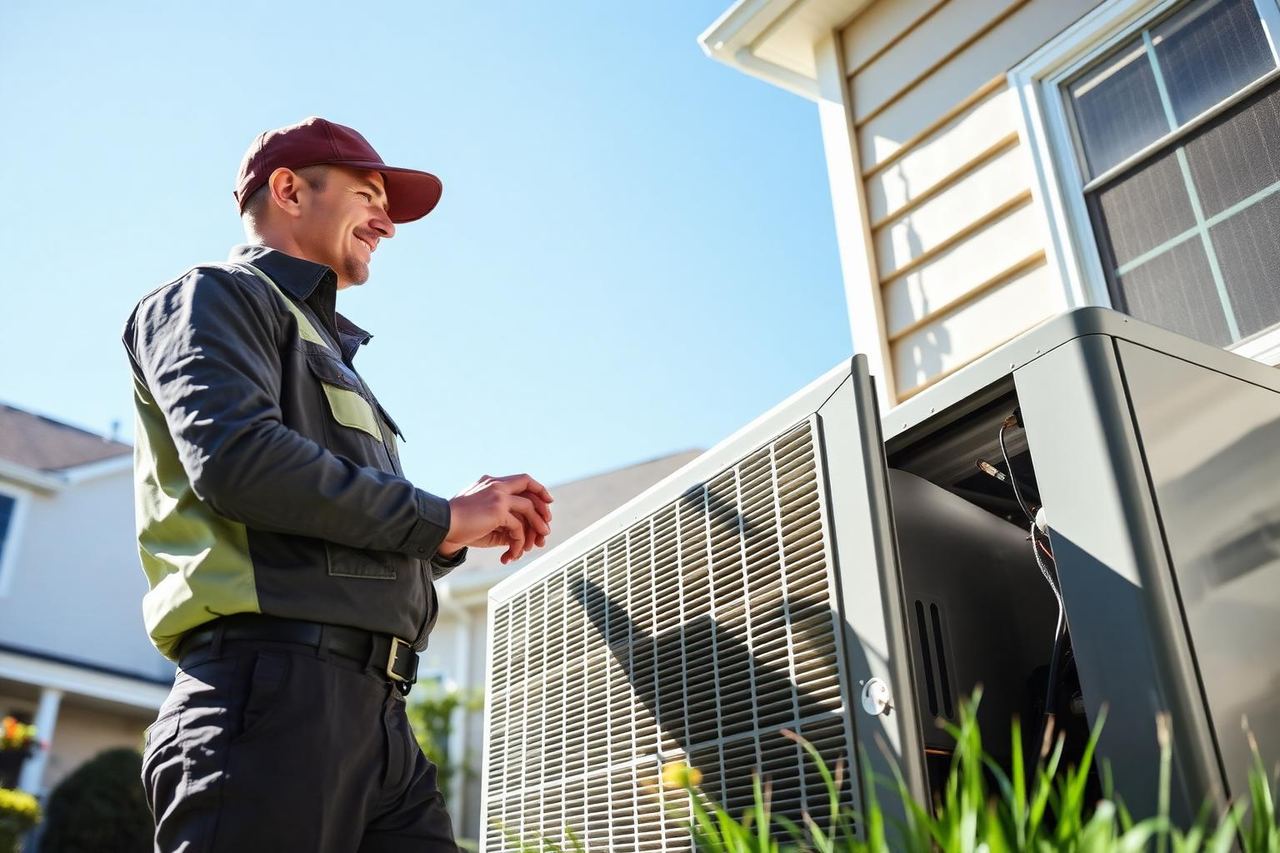
For an older home in West Windsor, NJ, choosing between a heat pump and a furnace starts with the house—not just the equipment. Fall is a good time to review drafts, ductwork, and your current system before deciding whether to repair, replace, or combine heating technologies.
Start With Your Home’s Heat Loss and Existing System
Older homes can have uneven insulation, leaky windows, and additions that heat differently from the original rooms. Those conditions affect either system, so equipment size should come from a heating-load calculation rather than the capacity printed on your old unit. Tell your contractor about cold bedrooms, drafts, and any planned insulation work. Also identify how your home distributes heat: a furnace uses ducts, while a boiler typically serves radiators or baseboards. A ducted heat pump may work with suitable existing ducts; ductless units offer another option where ducts are missing. Addressing major air leaks first can reduce the heating capacity you need.
When a Heat Pump May Be a Good Fit
A heat pump moves heat rather than creating it through fuel combustion, and it can provide cooling in summer. Cold-climate models can heat in freezing weather, but their output and efficiency vary with outdoor temperature. Ask for the proposed model’s heating capacity at your local winter design temperature, along with a clear backup-heat plan. Existing ducts need evaluation for airflow and leakage, and the electrical panel may need assessment before installation. Heat pump air often feels less hot at the register than furnace air, and longer operating cycles can be normal. The right choice depends on the home’s heat loss, equipment performance, and utility rates—not an automatic savings promise.
When a Furnace or Dual-Fuel System Makes Sense
A furnace may be a practical replacement when an older home already has usable ducts and an appropriate fuel supply. Before reusing existing venting, a professional should check that it meets the new equipment’s requirements; some replacements need different venting and condensate drainage. A dual-fuel system pairs a heat pump with a compatible furnace, allowing controls to switch heat sources under selected conditions. That can preserve fuel-fired backup while adding heat pump heating and cooling. Compare complete installation scopes, maintenance needs, and estimated operating costs using your actual utility rates. If you currently have a boiler, replacing it with a furnace is not a simple equipment swap.
Safe Fall Checks and Warning Signs
Before colder weather, check the thermostat’s heating mode, replace a dirty filter according to the equipment instructions, and keep supply registers and return grilles clear. For a heat pump, remove loose leaves around the outdoor unit without opening panels or reaching inside. Test smoke and carbon monoxide alarms according to their instructions, especially if your home has fuel-burning appliances. Schedule service for repeated breaker trips, persistent unusual noises, uneven heating, or a system that cannot maintain temperature. Do not bypass safety controls or attempt gas, refrigerant, or electrical repairs. If you smell gas, leave immediately and call the gas utility or emergency services from outside. Treat a carbon monoxide alarm as an emergency and evacuate.
What to Ask Before Choosing Your Heating Upgrade
For a West Windsor homeowner, a useful proposal should explain the heating-load calculation, duct condition, electrical requirements, and any venting changes. Ask how the system will handle the coldest expected conditions, whether backup heat is included, and what thermostat settings support efficient operation. Have the contractor explain permit requirements and provide equipment specifications, warranty terms, and maintenance recommendations in writing. If you plan to tighten up the house, discuss ventilation and combustion safety as part of that work. General Air Pro Heating & Cooling serves Central and North New Jersey. Call (609) 248-6446 to discuss your older home’s heating needs and compare practical options before replacing equipment.
Need HVAC service in West Windsor, NJ?
Not sure what your system needs?
A professional inspection can separate a simple repair from a larger performance issue.