
Table of Contents
- How to Lower Energy Bills: Start With Your Thermostat
- Smart Thermostat Energy Savings: Automation That Cuts Usage
- Seal Air Leaks and Drafts Around Your Home
- Upgrade Insulation and Window Coverings
- What Uses the Most Electricity in a House
- HVAC Maintenance to Lower Energy Bills
- Reduce Standby Power and Unplug Unused Devices
- Track Your Energy Consumption and Adjust
- Conclusion
- Frequently Asked Questions
Last Updated: October 21, 2026
How to Lower Energy Bills: Start With Your Thermostat
Your thermostat is the first place to look when you want to lower energy bills. It controls how much you heat or cool your home, so even small adjustments make a real difference.
Most people keep their thermostat at the same temperature all day and night. That's money wasted. When you're away or sleeping, you don't need the same comfort level. Lowering your temperature by just a few degrees in winter or raising it in summer cuts energy use without sacrificing comfort when you're home.
A programmable thermostat lets you set different temperatures for different times of day. You can lower heat at night and raise it before you wake up. You can cool less during work hours and more when you get home. This automation happens without you thinking about it.
Pro Tip: Start by lowering your winter setting by 5 degrees at night. Most people don't notice the difference, but your utility bill does. Track your bill for a month to see the savings.
Smart Thermostat Energy Savings: Automation That Cuts Usage
Smart thermostats take automation further. They learn your schedule and adjust temperatures on their own. Some models sense when you leave home and switch to an energy-saving mode automatically.
The real benefit is consistency. A smart thermostat keeps adjustments running every single day without you remembering to change settings. Over a year, that adds up.
General Air Pro recommends having your HVAC system inspected before installing a new thermostat. Older systems may not communicate properly with smart models. Our team can verify compatibility and make sure the installation works correctly with your heating and cooling setup.
These thermostats also give you data. You can see exactly when your system runs and how much it costs. That information helps you spot problems early and adjust habits that waste energy.
Seal Air Leaks and Drafts Around Your Home
Air leaks are invisible money leaving your home. Warm air escapes in winter and cool air leaks out in summer, so your HVAC system works harder to replace it. Sealing is one of the highest-return, lowest-cost steps you can take, but the order you do it in matters.
So Many Ways to Cut Your Energy Bills: What to Buy, and When
Gary Does Solar ☀️
Find the Leaks Before You Seal
A hand test on a windy day finds the obvious drafts around windows and doors. For the rest, use a stick of incense or a smoke pencil near suspected gaps and watch which way the smoke drifts. A professional blower-door test pressurizes the house and makes leaks visible, and many utilities offer it as part of a home energy audit.
Common leak locations, roughly in order of how often they matter:
- Attic hatch and pull-down stairs. Often the single largest gap between conditioned and unconditioned space.
- Recessed lights and ceiling penetrations. Can leak air and, in older fixtures, allow heat into the attic.
- Exterior wall outlets and switches. Foam gaskets behind the cover plates are inexpensive and quick to install.
- Where pipes, wires, and ducts pass through walls, floors, and the ceiling. Seal with caulk or foam rated for the application.
- Window and door frames. Weatherstripping and caulk handle most of these.
- Chimney and flue penetrations. Seal with fire-rated materials only, and never block combustion air.
- Dryer vents and bath fan housings. Check the damper and seal the housing to the drywall.
Prioritize by Cost, Effort, and Payback
Not every seal is worth the same effort. A practical order for most homes:
- Weatherstripping and door sweeps. Low cost, an afternoon of work, and immediate reduction in drafts.
- Foam gaskets on exterior outlets and switches. Very low cost and fast.
- Caulk around window and door frames and at penetrations. Low cost, moderate effort, durable results.
- Attic hatch weatherstripping and an insulated cover. Low to moderate cost and often a large air-leak reduction.
- Recessed light covers and fire-rated sealing at ceiling penetrations. Moderate cost, best done alongside insulation work.
- Duct sealing in unconditioned spaces. Higher effort; often best paired with a professional inspection.
A common pattern is that the first three items together cost little and cut noticeable drafts, while the later items deliver larger savings but need more planning. Doing the cheap items first lets you fund the bigger ones from the savings.
Renter-Friendly and Reversible Options
If you cannot alter the property, you can still cut drafts without permanent changes:
- Draft stoppers and door snakes at exterior and interior doors.
- Removable window film and shrink-wrap kits that seal the window opening and come off cleanly.
- Outlet gaskets that install under the cover plate without modifying the wall.
- Door sweeps that attach with adhesive rather than screws.
- Thermal curtains on tension rods where hardware cannot be mounted.
Sealing drafts is the fastest way to lower energy bills because the cost is low, the work is reversible, and the effect on HVAC runtime is immediate. Start with weatherstripping, outlet gaskets, and caulk, then move to attic and duct sealing as budget allows.
Never seal around a fuel-burning appliance, water heater flue, or fireplace without confirming combustion air requirements. A tight house with an unvented or poorly vented appliance can backdraft combustion gases. When in doubt, have a qualified technician check the system before and after air-sealing.
Upgrade Insulation and Window Coverings
Insulation slows heat transfer through walls, ceilings, and crawl spaces. Older homes often have thin insulation or none at all. Adding insulation in the attic is one of the most cost-effective upgrades you can make.
Window coverings control how much sunlight enters your home. In summer, close blinds and curtains during the day to block heat. In winter, open them during the day to let sun warm your home, then close them at night to reduce heat loss.
Thermal curtains are thicker and designed to block temperature transfer. They cost more than regular curtains but help maintain indoor temperature longer.
If you're upgrading windows, look for models with low-emissivity coatings. These coatings reflect heat while letting light through. They reduce heating and cooling needs year-round.
What Uses the Most Electricity in a House
Understanding which appliances consume the most energy helps you make smart changes. Your HVAC system is typically the biggest energy user in most homes. Heating and cooling account for a large share of your utility bill.
Water heaters are the second largest energy consumer. They run constantly to keep water hot even when you're not using it. Lowering the water heater temperature to 120 degrees saves energy without affecting comfort.
Refrigerators run 24/7. Older models use far more energy than new ones. If your fridge is more than 10 years old, replacing it often pays for itself through energy savings.
Other major users include:
- Air conditioning units (summer months)
- Furnaces and heat pumps (winter months)
- Water heaters
- Refrigerators
- Clothes dryers
- Ovens and stoves
- Lighting throughout the home
Look at your utility bill. Most providers show a breakdown by usage category. This tells you where to focus your efforts.
HVAC Maintenance to Lower Energy Bills
A well-maintained HVAC system runs efficiently. A neglected system works harder and uses more energy to heat or cool your home.
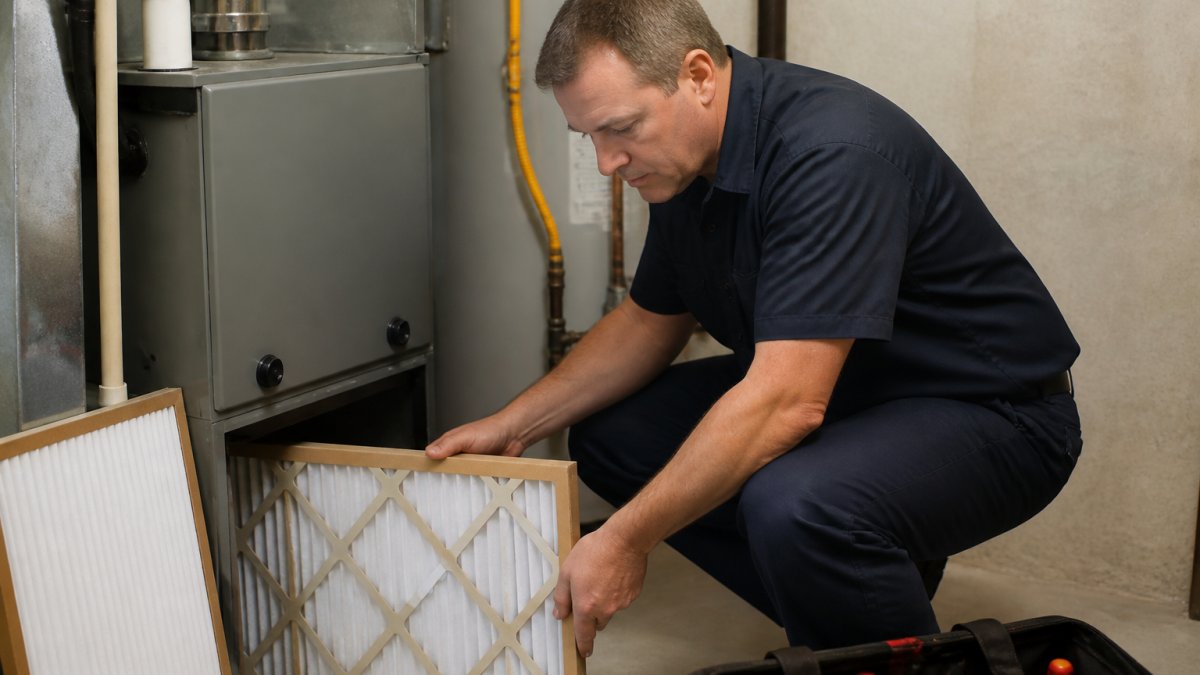
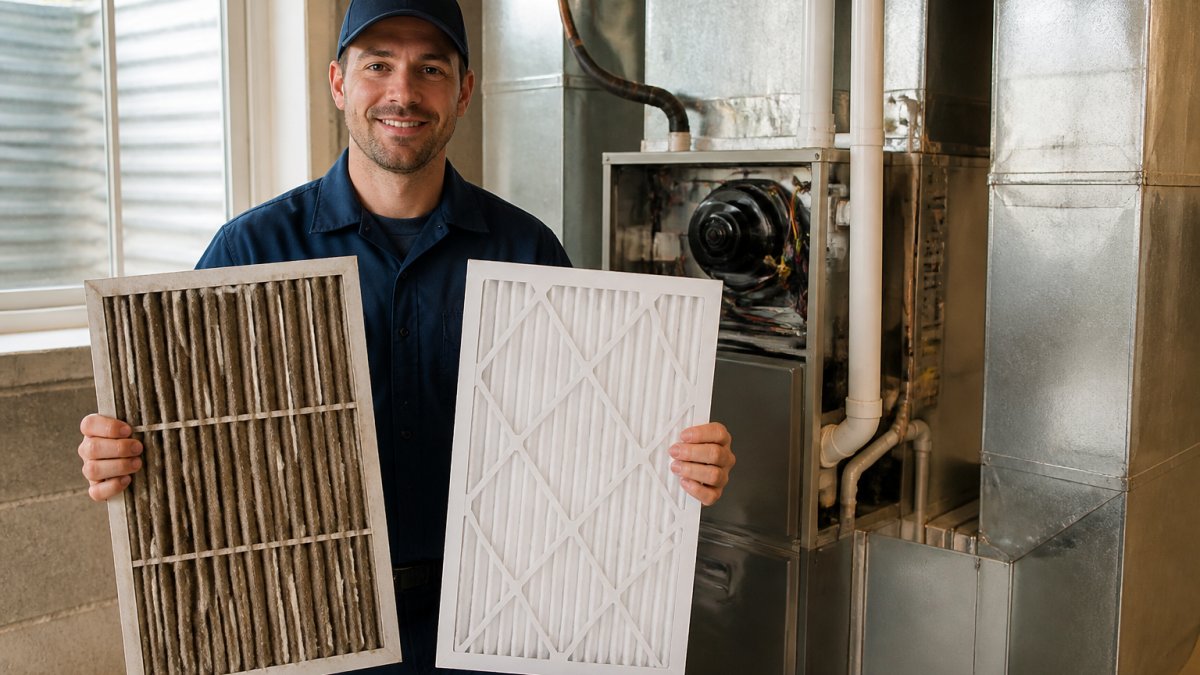
Regular maintenance includes cleaning or replacing air filters, checking refrigerant levels, and inspecting ductwork. Dirty filters force your system to work harder. Clean filters let air flow freely, reducing strain on the system.
Refrigerant leaks reduce cooling efficiency. A technician can spot leaks and refill the system. Ductwork leaks waste conditioned air before it reaches your rooms.
General Air Pro provides maintenance services that keep your system running at peak efficiency. Our licensed technicians inspect your heating and cooling equipment, identify problems before they become expensive repairs, and ensure your system delivers comfort without wasting energy. We offer upfront pricing so you know the cost before we start work.
Warning: Skipping maintenance leads to system failures during peak heating or cooling season. You'll face emergency repair costs and days without comfort. Regular tune-ups prevent breakdowns and keep your energy bills lower.
How Often to Change HVAC Air Filter for Efficiency
Change your air filter every 1 to 3 months during heavy use seasons. If you have pets or allergies, change it monthly. In lighter use seasons, every 3 months is fine.
A clean filter improves airflow and system efficiency. It also protects your equipment from dust damage. Mark your calendar so you don't forget.
Some filters last longer than others. Check your filter monthly to see how dirty it is. If it's clogged with dust, change it sooner. If it still looks clean, you can wait longer.
Reduce Standby Power and Unplug Unused Devices
Devices draw power even when they're off. This "phantom power" or "standby power" adds up over time. Chargers, coffee makers, printers, and entertainment systems all drain power when plugged in but not actively used.
Unplug devices you don't use daily. Use power strips for groups of devices. Turn off the power strip when you're not using them. This cuts phantom power to zero.
Common phantom power drains:
- Phone and laptop chargers
- Coffee makers with clocks
- Microwave displays
- Printer standby mode
- Game consoles in sleep mode
- Smart speakers
These devices draw small amounts individually, but combined they add a noticeable amount to your bill. Unplugging them costs nothing and takes seconds.
Track Your Energy Consumption and Adjust
Most people glance at the total due and never look at the rest of the bill. That is a missed opportunity. Your utility bill contains the data you need to find waste, and a few minutes of reading it each month can point you to the changes that save the most.
How to Read Your Utility Bill
Start with the usage line, not the dollar amount. Bills typically show consumption in kilowatt-hours (kWh) for electricity and therms for natural gas. The dollar total moves with rates, fees, and weather, so comparing kWh or therms month over month gives you a cleaner signal of whether your habits changed.
Look for these line items:
- Billing period dates. A 29-day cycle and a 34-day cycle are not directly comparable. Normalize by dividing usage by the number of days in the period.
- Meter read type. An actual read is more reliable than an estimated read. If you see "estimated," your next bill may include a true-up.
- Supply vs. delivery charges. Many bills separate the cost of the energy from the cost of delivering it. Delivery charges are largely fixed; supply charges are where usage and rate plans matter.
- Fixed fees and riders. These do not change with usage, so they dilute the savings from small habit changes.
- Usage graph. Most providers include a 12- or 13-month bar chart. This is the fastest way to spot seasonal patterns and unusual spikes.
Compare Usage Across Billing Periods
Pull the last 12 months of bills and build a simple table: period dates, days, kWh or therms, and cost per unit. Then compare the same month year over year rather than month to month. Weather swings make adjacent months misleading, but the same month in consecutive years isolates your behavior and equipment changes.
A common pattern is a summer or winter spike that does not repeat the following year. If it does repeat, look for a cause: a failing HVAC component, a new appliance, a door that no longer seals, or a rate change on the supply side.
Use a Meter or Energy Monitor to Find the Biggest Loads
Whole-house data tells you when usage rises; it does not tell you what caused it. Two tools close that gap:
- A plug-in power meter. These inexpensive devices sit between an appliance and the outlet and report watts and cumulative kWh. Use one on the refrigerator, a space heater, a dehumidifier, or an entertainment center to get real numbers instead of guesses.
- A whole-home energy monitor. These clamp onto the main panel and report usage in real time by circuit or by appliance signature, depending on the model. They are useful for catching loads you did not know you had, such as a well pump cycling at night or a water heater running longer than expected.
A practical routine: read your meter at the same time each day for a week, note when usage jumps, and match those jumps to activities. If usage climbs overnight when the house is quiet, suspect the water heater, a refrigerator, or a HVAC system short-cycling.
Act on Rate Plans and Time-of-Use Pricing
If your provider offers time-of-use rates, the price per kWh changes by time of day. The savings come from shifting flexible loads, laundry, dishwashing, EV charging, pool pumps, into lower-priced windows. Before switching, compare the plan's peak rate, off-peak rate, and any demand charges against your actual usage pattern. A plan that looks cheaper on average can cost more if your heavy usage lands in peak hours.
Demand charges, common on some commercial and a few residential plans, are based on your highest short interval of usage during the month. On those plans, running several large appliances at once can set a high demand level that raises the whole bill. Staggering loads avoids that trap.
Keep a simple log of changes, a new filter, sealed drafts, a shifted laundry schedule, and note the billing period each change falls in. Over two or three cycles, the log shows which changes actually moved your usage, so you can double down on what works.
Conclusion
Lowering your energy bills starts with understanding how your home uses energy. Your thermostat, HVAC system, and insulation are the biggest factors. Sealing air leaks, maintaining equipment, and tracking usage all contribute to real savings.
If your HVAC system is old or hasn't been serviced recently, it's likely wasting energy. General Air Pro can inspect your heating and cooling system, identify efficiency problems, and recommend upgrades that deliver comfort and lower your energy bills. Contact us for a free quote and discover how much you can save.
U.S. Department of Energy guidance on home energy efficiency
EPA recommendations for reducing household energy consumption
Frequently Asked Questions
What temperature should I set my thermostat to save energy?
Set your thermostat to 68°F in winter and 78°F in summer for optimal savings. Every degree you lower in winter or raise in summer can reduce your energy use by 1-3%. When you're away or sleeping, lower winter temperatures by 7-10 degrees or raise summer temperatures by the same amount. Programmable or smart thermostats automate these adjustments and eliminate the guesswork.
How often should I change my HVAC air filter to lower energy bills?
Change your air filter every 1-3 months, depending on usage and household conditions. A clogged filter forces your heating and cooling system to work harder, wasting energy and increasing your utility bill. If you have pets or allergies, check your filter monthly. A clean filter improves airflow, reduces strain on your HVAC system, and helps maintain consistent temperature control throughout your home.
What appliances use the most electricity in a house?
Your HVAC system, water heater, and refrigerator are typically the largest electricity consumers. Heating and cooling alone account for 40-50% of household energy use. Water heating follows at 15-20%, and appliances like washers, dryers, and dishwashers consume significant power during use. Identifying these high-use appliances helps you prioritize upgrades and behavioral changes that deliver the biggest savings.
How much can a smart thermostat save on energy bills?
Smart thermostats typically save 10-15% on heating and cooling costs annually by automating temperature adjustments based on your schedule and preferences. Savings depend on your current thermostat habits, climate, and how consistently you use the scheduling features. The upfront investment often pays for itself within 1-2 years through reduced energy consumption, making it one of the fastest payback improvements you can make.