Heating
Switching From AC to Heat in East Brunswick, NJ
Switch from AC to heat safely this fall with simple thermostat, filter, and vent checks, plus warning signs that mean it is time to call an HVAC professional.
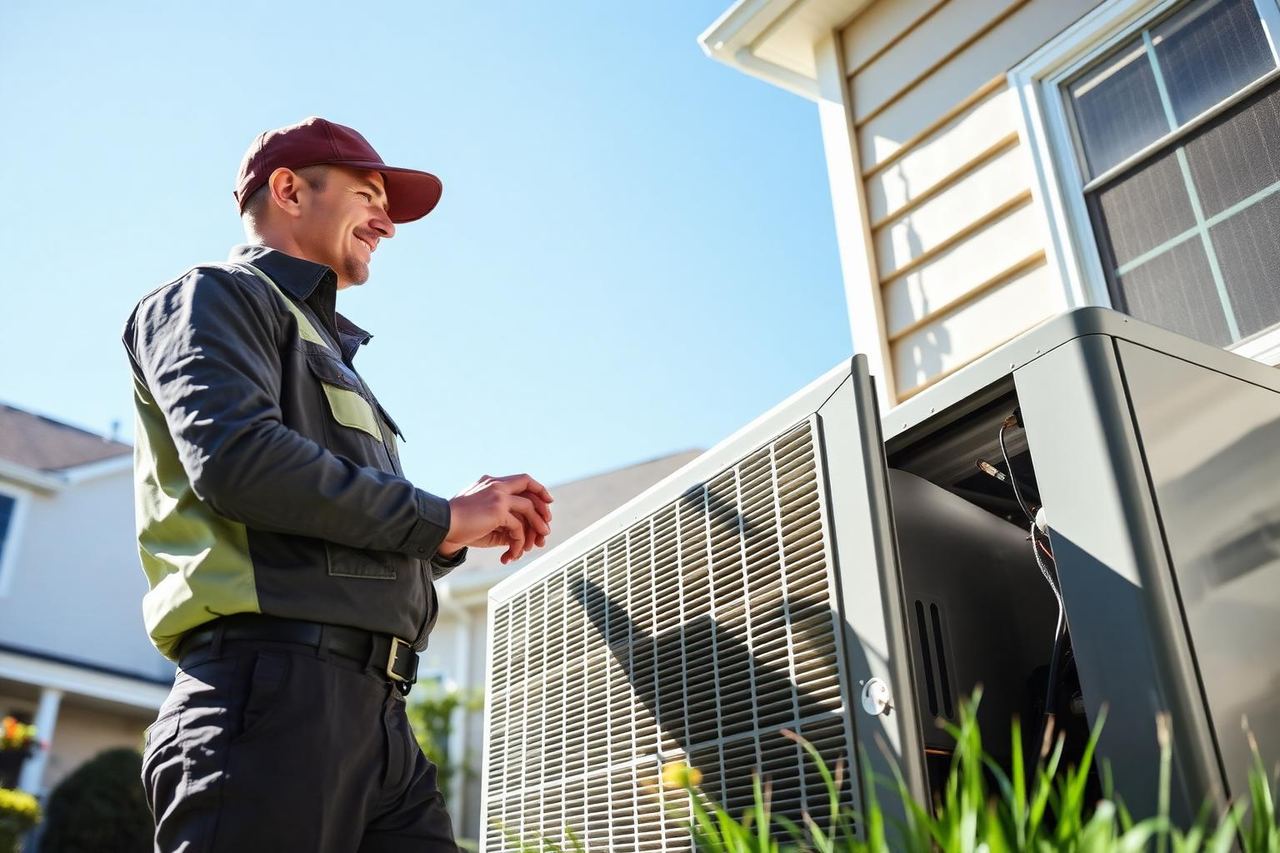
Fall weather in East Brunswick can mean cool mornings and afternoons that still call for air conditioning. A few simple checks before switching to heat can help you catch problems early and avoid unnecessary strain on your system.
Start With the Thermostat
Choose a mild day to test your heating so you have time to address problems before colder weather arrives. Let any active cooling cycle finish, then select Off before changing the thermostat to Heat. Follow your thermostat’s instructions for any required delay, and avoid rapidly switching between modes. Set the temperature a few degrees above the room temperature and give the equipment time to start; some systems have a built-in delay. For forced-air systems, set the fan to Auto rather than On unless your equipment instructions recommend otherwise. Review programmed schedules, replace thermostat batteries if needed, and make sure seasonal settings match your household’s routine.
Check Filters, Vents, and Outdoor Equipment
Before running a forced-air system, turn it off at the thermostat and inspect the air filter. Replace a dirty disposable filter with the correct size and a type approved for your equipment, following the airflow arrow on the frame. Clean reusable filters only as directed by the manufacturer. Keep supply registers and return grilles clear of furniture, rugs, and curtains. If you have radiators or baseboard heat, clear nearby clutter and follow the manufacturer’s clearance requirements. Outside, remove loose leaves around equipment without opening panels or reaching inside. Heat pumps need their outdoor units throughout winter, so never cover one while it is operating. Avoid wrapping an AC condenser in an airtight tarp.
Know What to Expect During the First Heating Cycle
Listen and check for steady operation during the first heating cycle. Air from a heat pump may feel less hot than air from a furnace, especially in mild weather; that alone does not mean something is wrong. A faint dusty smell can occur when heating starts after months of inactivity, but it should fade quickly. Persistent burning odors, smoke, loud banging, or repeated shutdowns need attention. Turn the system off if it appears unsafe, and do not keep resetting it. If you smell gas, leave the home without operating switches or phones indoors, then call your gas utility or 911 from outside. If a carbon monoxide alarm sounds, get everyone outside and call 911.
Handle Simple Checks, Then Call for Help
If the heat does not start, confirm Heat mode, a setpoint above room temperature, and working thermostat batteries before calling. Check that accessible vents are open and the filter is not clogged. Do not remove equipment panels, bypass safety switches, repeatedly reset a breaker, or attempt gas or electrical repairs. Test smoke and carbon monoxide alarms according to their instructions, and arrange professional heating maintenance if it is due. A technician can check components and safety functions that homeowner checks cannot cover. For heating problems or seasonal maintenance in East Brunswick, contact General Air Pro Heating & Cooling at (609) 248-6446. Mention any unusual odors, noises, thermostat messages, or rooms that remain cold.
Need HVAC service in East Brunswick, NJ?
Not sure what your system needs?
A professional inspection can separate a simple repair from a larger performance issue.