Heating
Switching From AC to Heat in Lawrenceville, NJ
Switch from AC to heat safely this fall with thermostat tips, filter checks, warning signs, and guidance on when to call an HVAC professional for heating help.
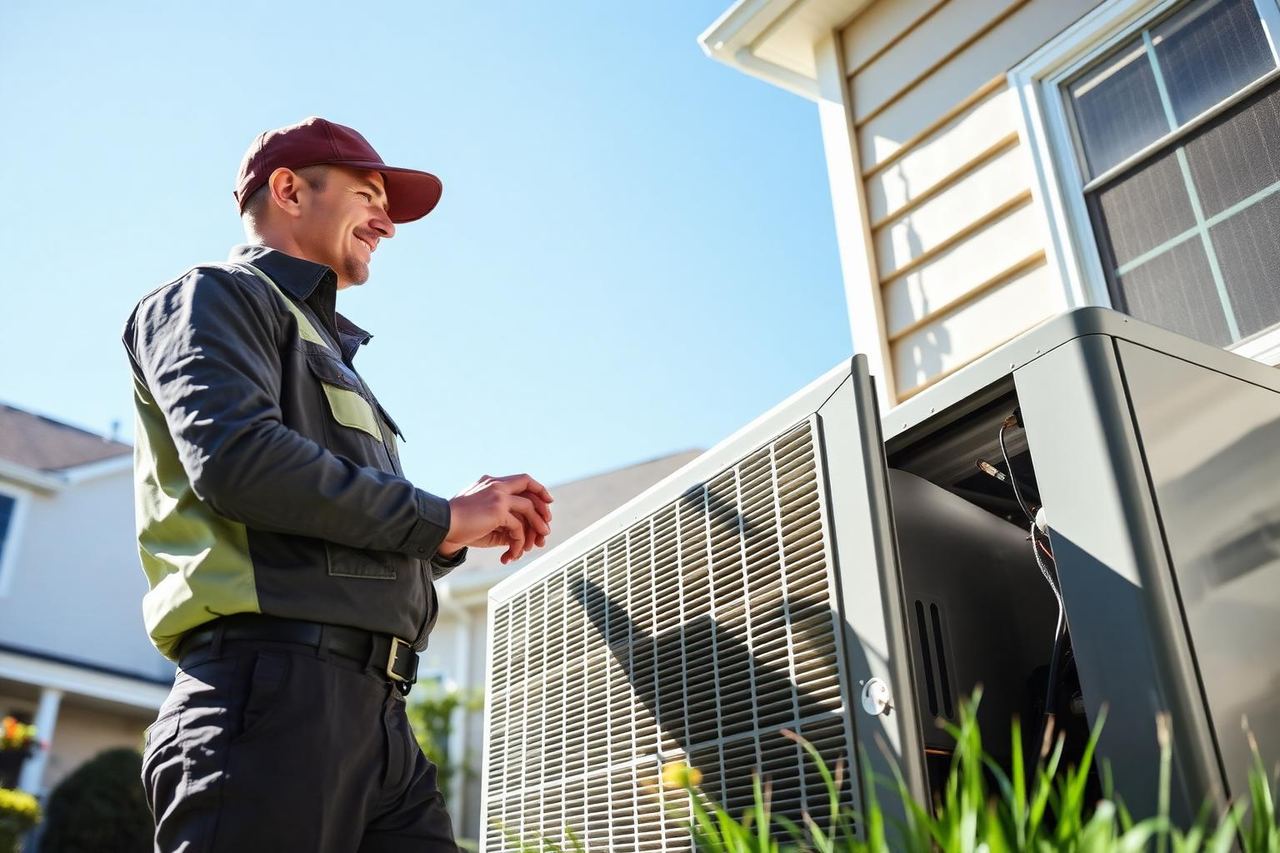
Fall in Lawrenceville, NJ, is a good time to check your heating system before you need it every day. Switching from cooling to heating is usually straightforward, but a few checks can help you avoid airflow problems, confusing thermostat settings, and overlooked safety concerns.
Start With the Thermostat
Choose a mild day for your first heating test so you have time to address problems before colder weather arrives. Let any active cooling cycle finish, switch the thermostat to Off, and wait several minutes or follow the equipment manual before selecting Heat. Set the temperature a few degrees above the current room temperature, and leave the fan on Auto for normal operation. Check that any programmed schedule is appropriate for heating season, and replace thermostat batteries if indicated. Avoid repeatedly switching modes or raising the setting far above your target; that generally will not warm the house faster. Built-in equipment delays may keep the system from starting immediately.
Check Airflow and Clear the Equipment Area
With the system off, inspect the air filter if your equipment uses one. Replace a dirty disposable filter with the size and type recommended for your system, following the airflow arrow during installation. Do not install a more restrictive filter without checking compatibility. Make sure supply registers and return grilles are open and unobstructed by rugs, furniture, or curtains. If you have radiators or baseboard heat, keep their heat-emitting surfaces clear instead. Remove stored items from around heating equipment, especially combustible materials. For a heat pump, clear loose leaves around the outdoor unit without opening panels or reaching inside. Do not cover a heat pump’s outdoor unit; it needs airflow throughout heating season.
Know What Is Normal—and What Is Not
During the first heating cycle, pay attention to airflow, sounds, and odors. A faint dusty smell can occur briefly as settled dust warms, but it should fade rather than intensify. Heat-pump air may feel less hot than furnace air while still warming the home. Persistent burning odors, repeated shutdowns, grinding sounds, or failure to warm the house warrant professional attention. For smoke or a strong electrical-burning smell, stop using the equipment and seek help; leave and call 911 if there is a fire. If you smell gas, leave immediately without operating switches or phones indoors, then call your gas utility’s emergency line or 911 from outside. Never investigate a suspected gas leak yourself.
Finish With Safety Checks and Fall Maintenance
Test smoke and carbon monoxide alarms according to their instructions, and check their replacement dates. A carbon monoxide alarm requires immediate evacuation and a call to 911 from outside, even if everyone feels fine. If heating does not start, confirm the thermostat settings and check accessible equipment switches without removing panels. Do not repeatedly reset a tripped breaker or a furnace safety control. Leave burner cleaning, combustion testing, wiring repairs, and safety-device checks to a qualified technician. Fall maintenance can identify issues that a homeowner’s visual inspection cannot. For help preparing your Lawrenceville home for heating season, contact General Air Pro Heating & Cooling at (609) 248-6446.
Need HVAC service in Lawrenceville, NJ?
Not sure what your system needs?
A professional inspection can separate a simple repair from a larger performance issue.