Heating
Switching From AC to Heat in New Brunswick, NJ
Switch from AC to heat safely this fall with simple thermostat, filter, and vent checks, plus warning signs that mean it is time to call an HVAC professional.
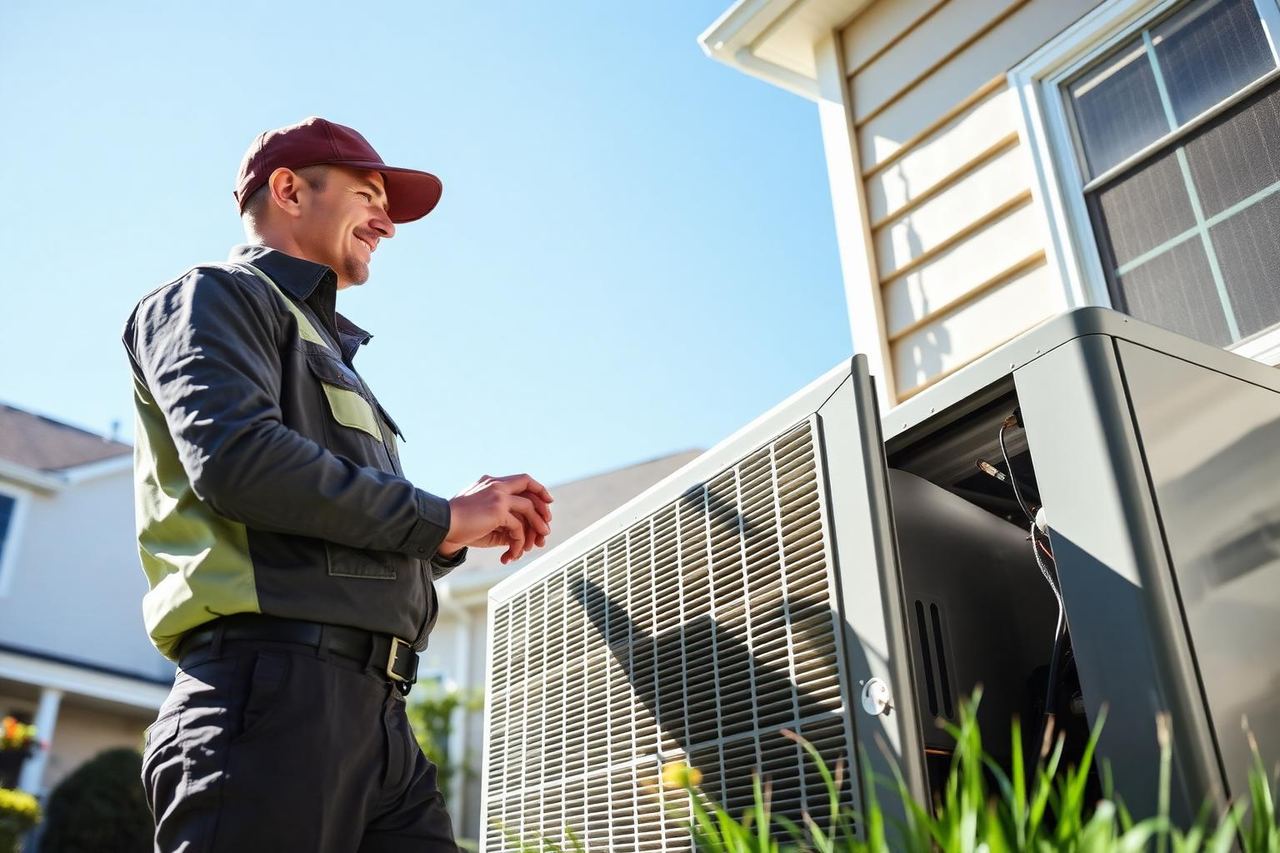
Fall weather in New Brunswick can mean cool mornings followed by afternoons warm enough for air conditioning. A few simple checks before switching to heat can help you spot problems early and avoid unnecessary strain on your system.
Start With the Thermostat
Choose a mild day to test your heat before you need it overnight. If the AC is running, let the cooling cycle finish, then switch the thermostat to Off before selecting Heat, following your equipment’s instructions. Avoid repeatedly switching between heating and cooling; built-in equipment delays are normal, so give the system time to respond. Set the heating temperature a few degrees above the current room temperature and select Auto for the fan. With most forced-air systems, Auto runs the blower only when needed. Check thermostat batteries if applicable, and update any schedules that still reflect your summer routine. Raising the setting dramatically will not make most systems heat faster.
Check Filters, Vents, and Outdoor Equipment
For a forced-air system, turn the equipment off at the thermostat before checking the air filter. Replace a dirty disposable filter with the correct size and a type approved for your system, with its airflow arrow pointing in the proper direction. Keep supply registers and return grilles open and clear of rugs, curtains, and furniture. If you have radiators or baseboard heat, keep their heat-emitting surfaces unobstructed instead. From ground level, look for leaves or debris around outdoor equipment and accessible exterior intake or exhaust openings. Do not remove equipment panels or reach into openings. A heat pump’s outdoor unit operates during heating season, so never cover it while it is in use.
Know What Is Normal—and What Is Not
A faint dusty smell can occur when heat first starts after months of inactivity, but it should fade quickly. Persistent burning odors, smoke, loud banging, or repeated shutdowns are not normal. Stop using the system and have it checked; if there is smoke or fire, leave and call 911. If you smell gas, leave immediately without operating switches or using a phone inside, then call your gas utility’s emergency number or 911 from outside. If a carbon monoxide alarm sounds, get everyone outdoors and call 911. Test smoke and carbon monoxide alarms according to their instructions. Heat pump air can feel less hot than furnace air; check whether the room temperature rises rather than judging by touch alone.
Schedule Service When the Basics Do Not Help
If the heat does not start, confirm that the thermostat is in Heat mode, its setting is above room temperature, and any normal startup delay has passed. Check the filter and make sure accessible vents are clear. Do not repeatedly reset a breaker or furnace safety control, bypass a switch, or attempt gas or electrical repairs. Call a professional if the system blows cool air continuously, cycles on and off frequently, makes unusual noises, or cannot maintain the set temperature. Fall maintenance can include checks of controls, airflow, and combustion components where applicable. For seasonal maintenance or heating concerns in Central and North New Jersey, contact General Air Pro Heating & Cooling at (609) 248-6446.
Need HVAC service in New Brunswick, NJ?
Not sure what your system needs?
A professional inspection can separate a simple repair from a larger performance issue.