Heating
Switching From AC to Heat in Piscataway, NJ
Get your Piscataway home ready for fall heating with safe thermostat checks, filter tips, and warning signs to watch for when switching from AC to heat.
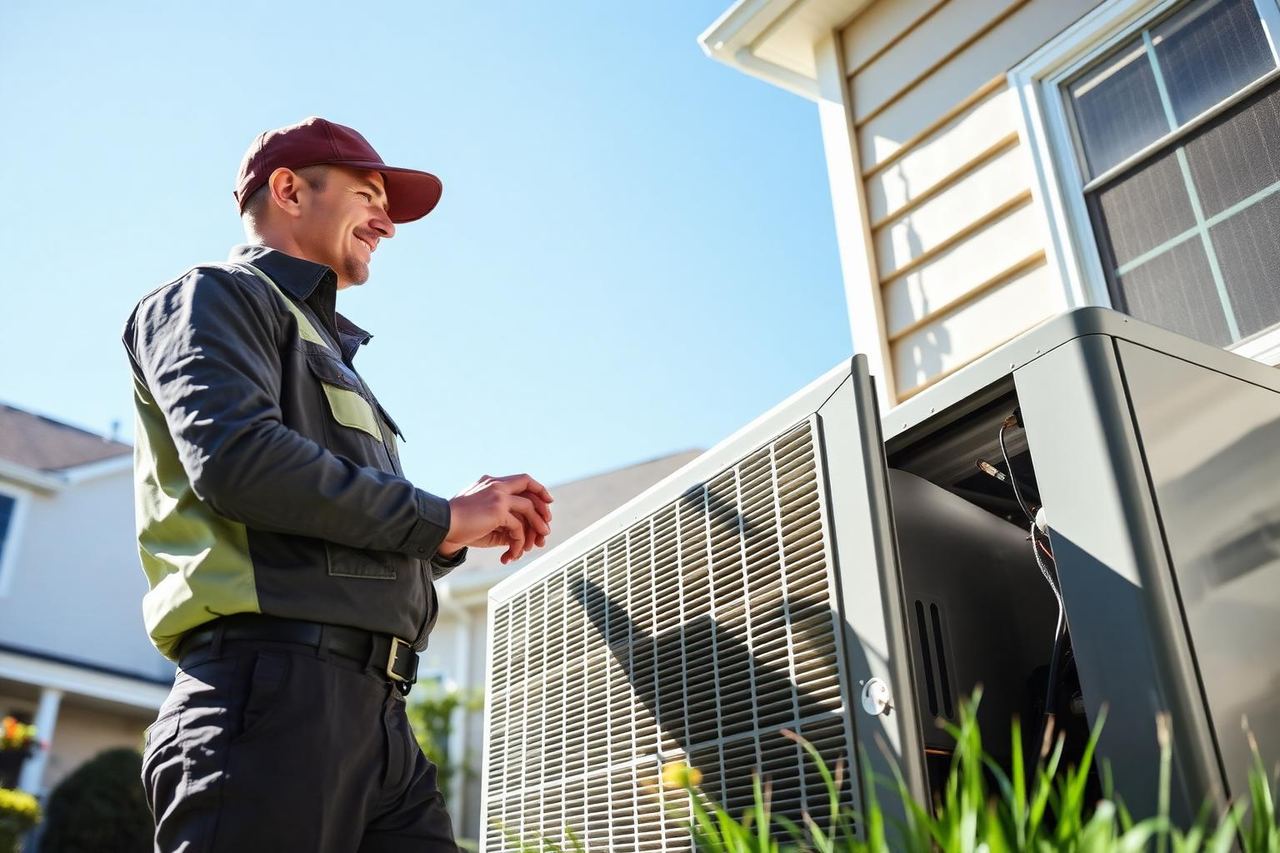
Cool fall mornings are a good reason to test your heating system before you need it every day. Switching from AC to heat is usually straightforward, but a few simple checks can help you spot problems and start the season safely.
Start With the Thermostat and a Short Test
Choose a day when you can stay home and observe the first heating cycle. If the air conditioner is running, switch the thermostat to Off and let the equipment stop before selecting Heat. Follow any switching delay specified in your thermostat or equipment manual; avoid repeatedly toggling between modes. Set the temperature a few degrees above the room temperature and leave the fan on Auto for normal operation. Check that the heating schedule matches your fall routine and replace thermostat batteries if needed. A brief startup delay can be normal. Confirm that the system begins warming the house rather than continually raising the setpoint to force it on.
Check Airflow and Clear the Heating Area
For a forced-air furnace or heat pump, check the filter before the first heating run. Turn the system off at the thermostat before inspecting an accessible filter, and replace it if dirty using the correct size and an equipment-compatible type. Follow the airflow arrow when installing it. Keep supply registers and return grilles open and clear of furniture, rugs, and curtains. If you have a boiler, clear space around radiators or baseboards instead; these systems do not use a furnace air filter. Remove stored items from around heating equipment, following the manufacturer's clearance requirements. From ground level, look for leaves or debris blocking accessible outdoor vent openings, without dismantling anything.
Know What Is Normal—and What Means Stop
A faint dusty odor can occur during the first heating cycle, but it should fade quickly. Persistent burning smells, smoke, electrical odors, or loud banging are not normal; stop using the system and arrange professional help. If you smell gas or hear a carbon monoxide alarm, leave the home immediately and call emergency services or the gas utility from outside. Do not operate switches or try to find the leak. Test smoke and carbon monoxide alarms according to their instructions before heating season. Heat pumps often deliver air that feels less hot than furnace air, so judge performance by whether the indoor temperature rises, not by touch alone.
Watch Performance and Schedule Help When Needed
During the test, notice whether rooms warm evenly and whether the system reaches the thermostat setting. Repeated short cycles, weak airflow, persistent unusual odors, or failure to produce heat warrant a service call. Before calling, you can confirm Heat mode, the setpoint, thermostat batteries, and filter condition. Do not repeatedly reset a tripped breaker, open burner compartments, or adjust gas controls. Leave combustion testing, electrical troubleshooting, and internal cleaning to a qualified technician. Fall maintenance can help identify issues before colder weather increases demand on the equipment. For seasonal maintenance or trouble switching to heat, contact General Air Pro Heating & Cooling at (609) 248-6446.
Need HVAC service in Piscataway, NJ?
Not sure what your system needs?
A professional inspection can separate a simple repair from a larger performance issue.